Author:Used Wholesale Manufacturer TIME:2026-08-11
Seven-factor resale worksheet
Used women's shoe profit is shaped by accepted-pair yield and the work required to move inventory into suitable sales lanes. Seven factors deserve separate evidence: pair integrity, outsole and heel structure, upper and closure condition, interior state, category-size balance, preparation burden and time-to-sale exposure. No single margin figure applies to every lot.
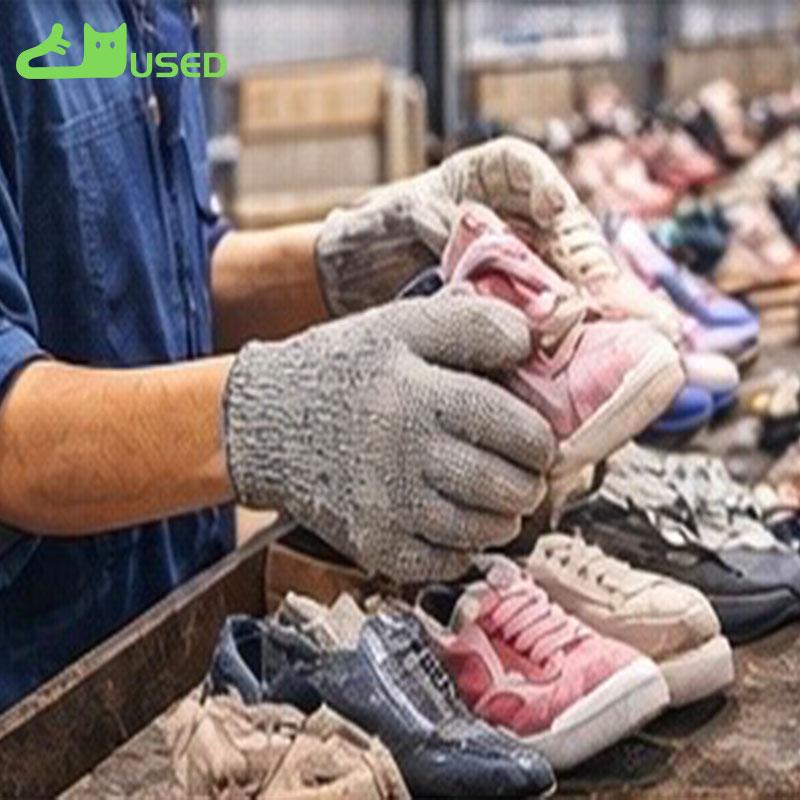
Confirm mates, compatible size marks and comparable wear before assigning value. Then inspect sole attachment, outsole loss, heel support and heel tips according to construction. One damaged mate controls the pair disposition.
These factors affect accepted quantity and possible repair. Count passes, holds and rejects rather than assuming that every collected or photographed pair belongs in the pricing denominator.
complete compatible set
no active separation
wear within boundary
stable support and tip
Record tears, edge lift, stitch failure, surface marks, closure function, lining wear, insole state and odor. Material zones may require different cleaning or care methods. Keep cosmetic allowances separate from failures that can spread.
Interior work can be less visible in sample photographs but still changes labor and presentation. Use a preparation hold when the result depends on an approved task, and retain the pre-work evidence.
surface and panel joins
zip, buckle, strap or lace function
wear and cleanliness
defined hold or exclusion rule
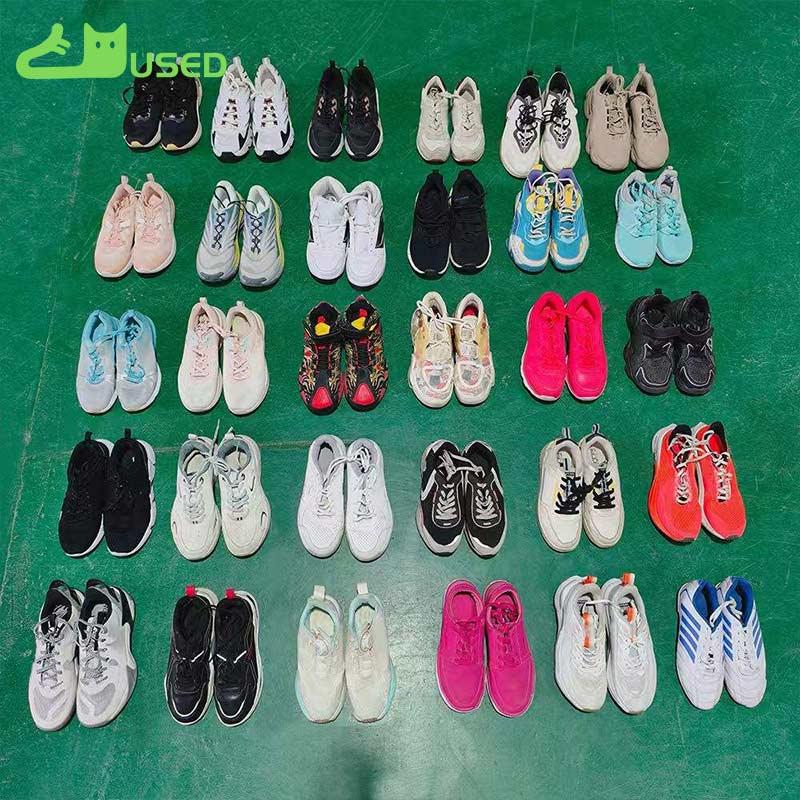
Count released sneakers, flats, sandals, heels, boots and other approved forms by marked size. The same accepted quantity can have different allocation value when stock is concentrated in one form or narrow size band.
Use the buyer's actual channel matrix and avoid unsupported statements about destination demand. Approve substitutions before packing and preserve the revised count.
released form lane
readable pair mark
share in current accepted lot
documented buyer approval
The worksheet keeps physical yield, assortment value, operating work and cash exposure visible.
| Factor group | Evidence | Cost effect |
|---|---|---|
| Pair and structure | Matched passes, holds and rejects | Accepted denominator |
| Upper and interior | Condition reasons and work | Preparation burden |
| Category and size | Released allocation matrix | Stock concentration |
| Time and markdown | Buyer scenarios or actual records | Cash exposure |
Use the table as a decision model, not as an unsupported forecast of resale profit.
Count cleaning, drying, relacing, insole work, minor repair, identity review and reject handling as distinct tasks. Apply local rates and material costs outside the supplier's headline price. Do not treat unpaid labor as free.
Record how many pairs return to the primary lane, move to a lower lane or remain excluded after work. A low purchase price may create a high cost per sale-ready pair when preparation yield is weak.
pairs entering work
actual local time
consumable or part cost
released, repriced or excluded
Allocate accepted inventory into core, specialist, reprice and hold lanes based on the buyer's channels. Record actual receiving and sales feedback where available. Do not invent a universal sell-through speed or local price.
Use scenarios to test how slower allocation, markdowns or held stock affect working capital. Label assumptions clearly. The worksheet supports a purchasing decision; it does not promise profit.
routine sale-ready lane
narrow category or size
lower presentation band
cash tied to unresolved stock
Build cautious, expected and stronger accepted-yield scenarios. Change one or two supported inputs at a time: accepted pairs, preparation work, freight allocation or time-to-sale assumption. Keep the supplier offer, logistics records and local operating inputs identifiable.
If a small change in yield makes the lot unworkable, request tighter acceptance, improved evidence, a different mix or a smaller trial. Preserve the scenario and replace estimates with receiving facts after arrival.
declared current assumptions
weaker yield or more work
receiving evidence
approve, revise or decline

Send the permitted forms, marked-size priorities, condition boundaries, preparation policy, sample spread and commercial unit with the inquiry. Ask the supplier to return counts and evidence for the current lot, including unresolved lanes. Do not request one broad quality promise.
Record which cost inputs come from the supplier and which come from the buyer's local operation. A revised quotation should identify the changed field so purchasing can update the correct scenario instead of replacing the whole worksheet with a new unexplained total.
lot, grade, mix and packing evidence
freight, import and local work inputs
unresolved assumptions
field and reason changed
Confirm that inspection counts support the accepted-pair denominator, the mixed assortment matches the buyer's allocation cells and preparation work has a named cost owner. Compare the quotation with the selected packing format and retain the actual freight or labeled freight estimate separately. Do not approve a margin scenario while one of those inputs is blank.
Before loading, reopen coded units for pair count, condition, dryness, form protection and label agreement. Turn every discrepancy into a quantity, preparation, price or allocation decision. The final inquiry response should show who accepted each revision and which assumptions must be replaced by receiving evidence after arrival.
released pairs reconcile
allocation cells approved
unit and protection verified
open assumptions assigned
The weakest constraint may control the result; review accepted yield, work and allocation together.
No. Structural failure requires its own hold or rejection rule.
No. Category, size, presentation and channel can justify separate allocations.
Count task volume, local labor, materials and post-work disposition.
No. It compares documented inputs and labeled scenarios for a purchasing decision.
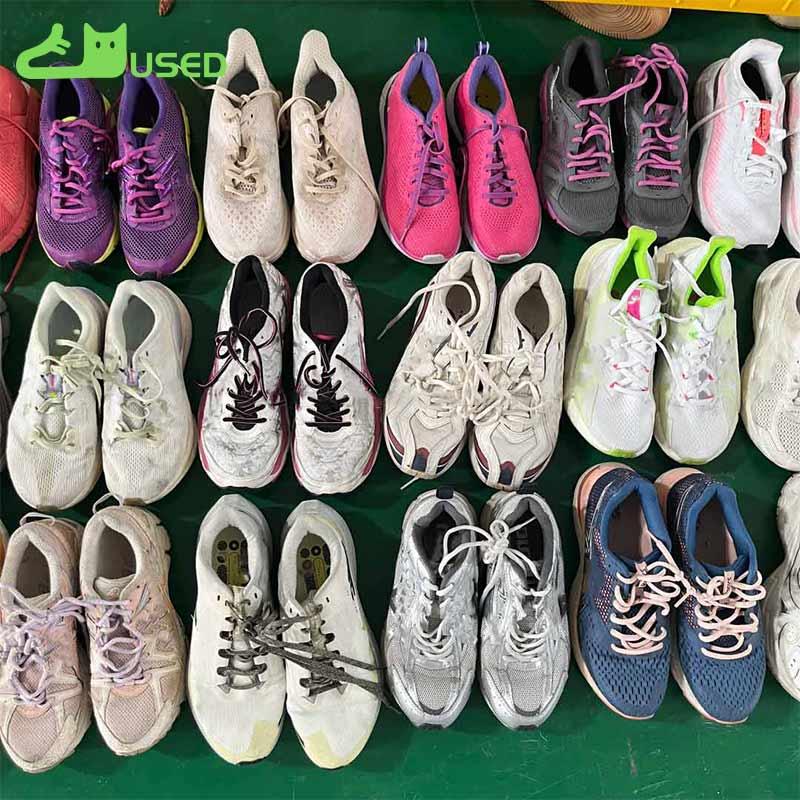
Profit analysis becomes useful when seven factors remain visible from pair integrity through cash-cycle exposure. The used women's shoes wholesale assortment provides product context; current accepted yield, preparation and allocation records determine the commercial decision.

Direct Factory Supplier of Used Shoes For African Markets In China
 Tel: +8618606960861
 Email: info@usedshoeswholesale.com
 MP/WhatsApp: +8618606960861
 Manufacturer Address:Cizao Town, Jinjiang City, Quanzhou City, Fujian Province