Author:Used Wholesale Manufacturer TIME:2026-08-11
Children's shoe sorting passport
A used children's shoe sorting process should preserve the identity and reason trail of each complete pair. The useful unit is not a loose shoe or a polished sample image. It is a coded pair that moves through mate matching, child-specific function checks, condition disposition, marked-size allocation, preparation and packing without losing the evidence behind its final lane.
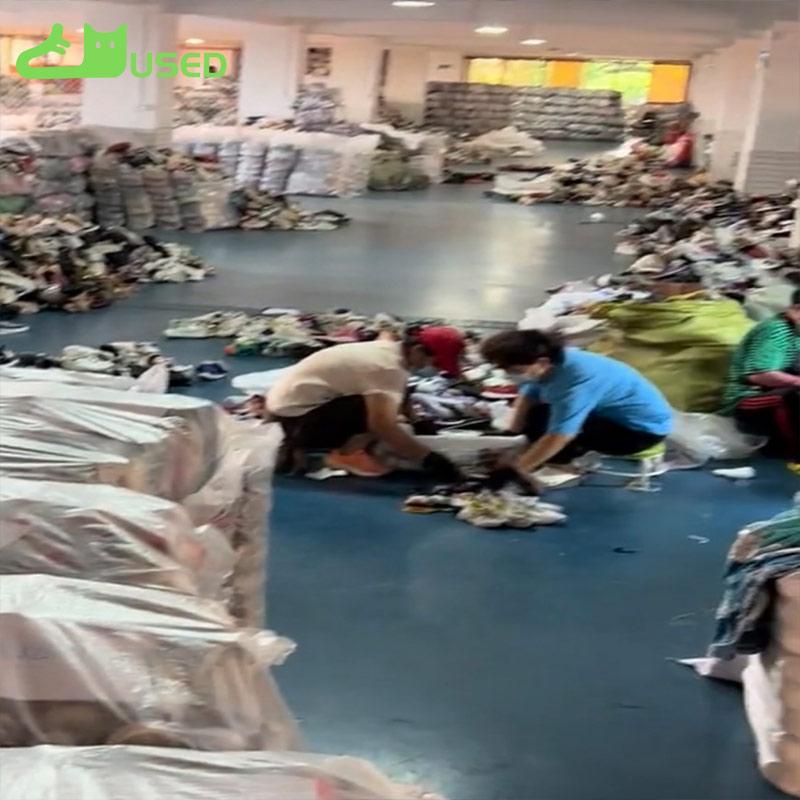
Record source-lot code, arrival period, container identity and visible moisture or contamination before footwear spreads across the sorting floor. Isolate sharp, heavily soiled, persistently damp or otherwise uncertain items from ordinary work. Count the material entering pairing and the material held outside it.
The intake record does not assign grade. It creates custody and a denominator. Staff should not return held items to the normal route without a dated decision and should not improve production totals by omitting unresolved material.
lot and container code
ordinary pairing route
separate review lane
count to next station
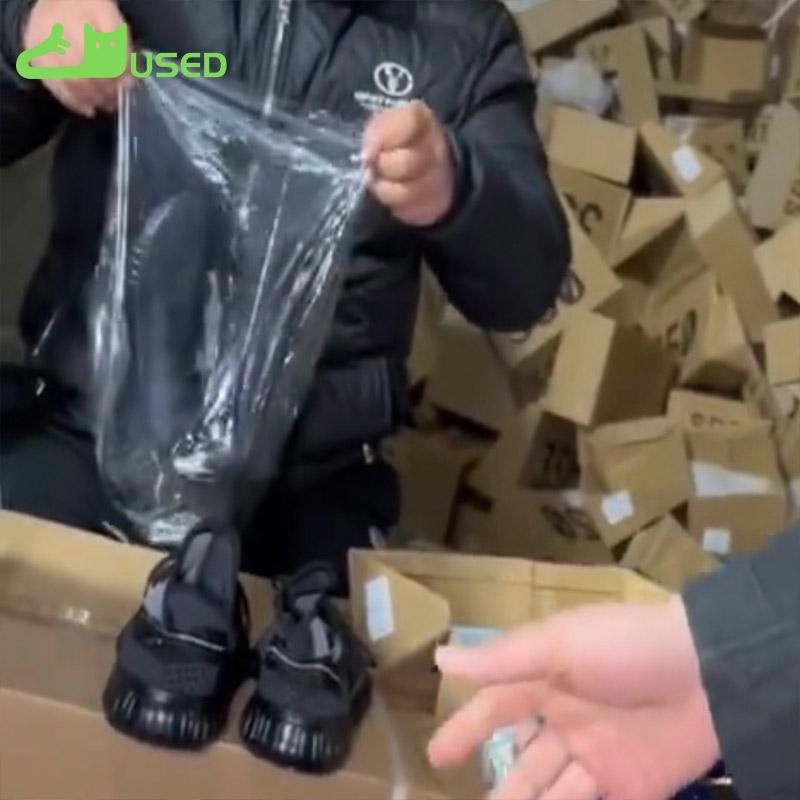
Match left and right by construction, compatible marked size, closure, color and comparable wear. Compare both labels and critical components. Give the completed pair a code that remains attached to condition, preparation and packing records.
Keep singles, label conflicts and forced visual matches outside the accepted-pair count. Children's footwear can look similar while differing in size, sole shape or fastening. The weaker or uncertain mate controls the route until the conflict is closed.
compatible left and right
mark or construction differs
mate not located
pair identity retained
Inspect sole attachment, outsole wear, toe and heel structure, upper damage, interior condition and odor. Test laces, hook-and-loop closures, buckles, zips and other fastenings. For sandals, inspect strap anchors; for boots, inspect shafts and closures. Look for loose or sharp damaged parts under the written policy.
Separate cosmetic variation from active structural failure. A surface mark may fit one resale lane, but insecure fastening, active sole separation or unstable support needs a hold or exclusion. Record the observation rather than relying on a letter grade.
sole and upper connection
secure and usable
toe heel and form
lining insole and odor
Each station adds a result without erasing the earlier observation.
| Station | Passport field | Cannot proceed when |
|---|---|---|
| Intake | Source, hold and transfer count | Safety or moisture unresolved |
| Pair | Mates, marks and code | Single or conflict |
| Function | Observable reason and disposition | Structural decision open |
| Pack | Released cell and unit code | Count or label differs |
The final accepted-pair total should reconcile with every passport disposition.
First record physical disposition: release, approved preparation, downgrade, structural hold or reject. Then place released pairs into sneaker, school-style, sandal, boot or other approved construction lanes. Finally count the marked size system visible on compatible mates.
This sequence prevents gross inventory or held pairs from inflating the size curve. Do not infer a child's age and do not convert labels without a documented basis. Where a requested cell is missing, return the gap for buyer approval instead of filling it silently.
physical result
construction lane
visible size system
released pair count
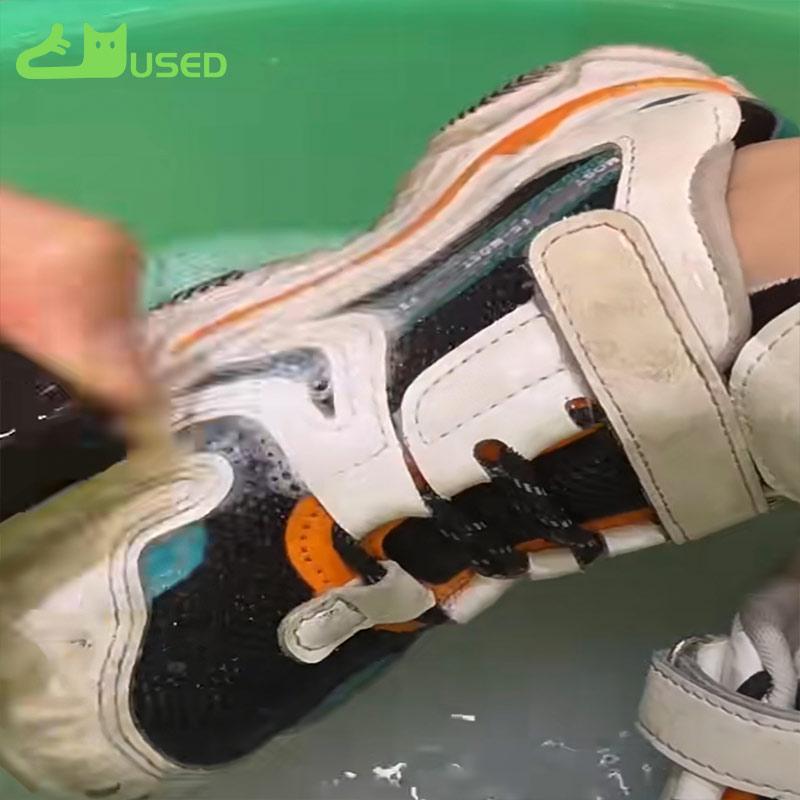
Record cleaning, drying, relacing, insole work or other permitted tasks under the pair code. Preserve the original reason and inspect the pair again after work. The final lane should state whether it returned to primary release, moved to a lower lane or remained excluded.
Count labor and consumables by task. If one construction creates repeated work, the buyer and supplier can revise the acceptance rule or price lane. A generic cleaned statement cannot show that operational burden.
original observation
authorized work
new disposition
time and material record
Keep mates together, protect small forms from heavy pressure and prevent dirty outsoles from contacting interiors. Confirm dryness. Label each unit with code, accepted-pair basis, form-size reference, grade or disposition scope, gross weight and closure date.
Reopen selected units and compare pair count, function, marked sizes, shape and labels with the sort record. Record any replacement or repack as a revision. Receiving can then repeat a sample without reconstructing the process from memory.
mates stay together
small forms protected
stable packing code
pre-loading result
It connects original condition, preparation and final packing to the same physical pair.
No. Commercial pair counts follow compatible mate confirmation.
No. Construction-specific fastening, support and bond checks are required.
After the task, drying and a recorded reinspection disposition.
Sample pair identity, function, marked size, unit count and label against the passport.
A reliable sorting process is a readable pair history rather than a final label without reasons. The used children's shoes wholesale category defines product scope; the passport decides which current pairs are released for wholesale.

Direct Factory Supplier of Used Shoes For African Markets In China
 Tel: +8618606960861
 Email: info@usedshoeswholesale.com
 MP/WhatsApp: +8618606960861
 Manufacturer Address:Cizao Town, Jinjiang City, Quanzhou City, Fujian Province