Author:Used Wholesale Manufacturer TIME:2026-08-11
Slipper bale inspection release
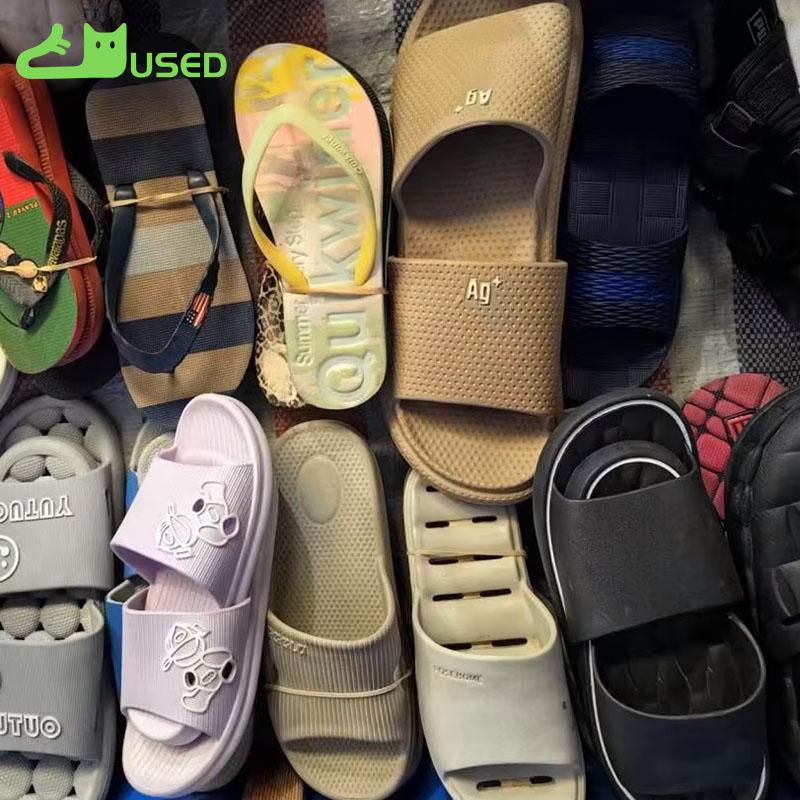
Used slippers should be inspected before baling because compression can hide pair errors, attachment weakness, dampness, odor, shape damage and assortment variance. The inspection file must reconcile complete pairs, construction-specific condition, visible sizes, preparation, dryness, grade lanes and the final coded unit before pressure is applied.
Match left and right by construction, compatible marked size, material, color and comparable wear. Compare attachment and footbed condition. Give each complete pair or released group a traceable code.
Keep singles, forced matches and label conflicts outside accepted quantity. Gross pieces and kilograms cannot replace a complete-pair count.
compatible mates
mate unavailable
mark or construction
inspection identity
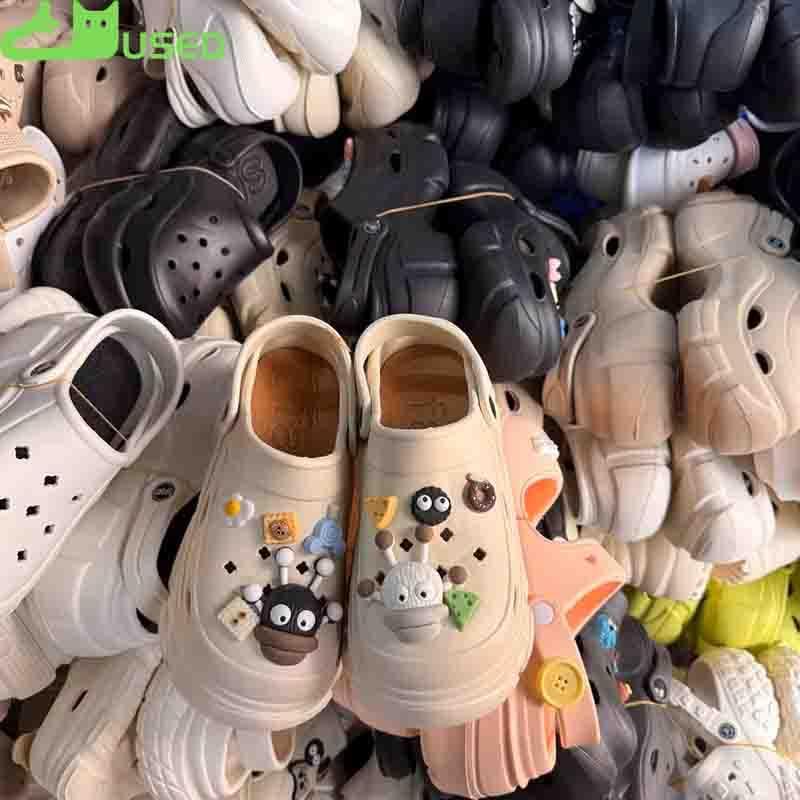
Every bale gate has an observable record and hold trigger.
| Gate | Evidence | Hold when |
|---|---|---|
| Pair | Mates, marks and construction | Single or conflict |
| Physical | Attachment, footbed and reasons | Structural or hygiene open |
| Assortment | Released form-size-grade cells | Variance unapproved |
| Closure | Dryness, pressure and code | Reopen differs |
Compression begins only after the accepted-pair and mix records reconcile.
Inspect footbed, lining, contamination, persistent odor and contact surfaces. Define allowed cosmetic wear and cleaning tasks. Keep hygiene exclusions and unresolved odor outside released inventory.
Record original reason, task, drying and post-work disposition. Do not let preparation erase the evidence that started it.
wear boundary
lining or contact
hold rule
task and outcome
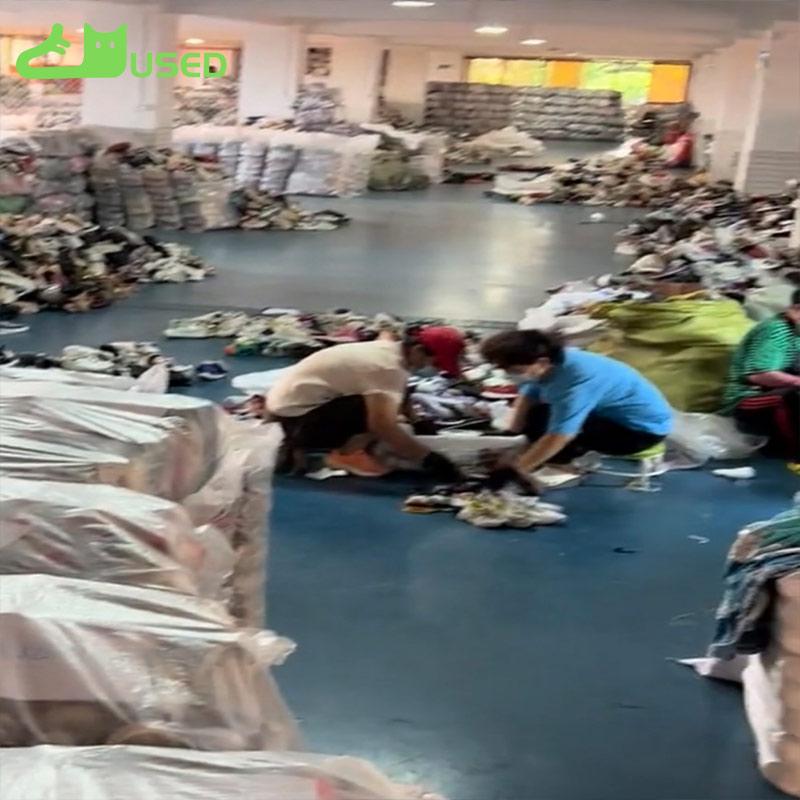
Cross-tab released construction and visible marked size, then apply the buyer's grade or presentation lanes. Keep unreadable labels, preparation and attachment holds outside the curve.
State concentration and substitution tolerance. The supplier should show current cells before baling so the buyer can approve any change.
released form
visible pair size
written presentation lane
buyer approval
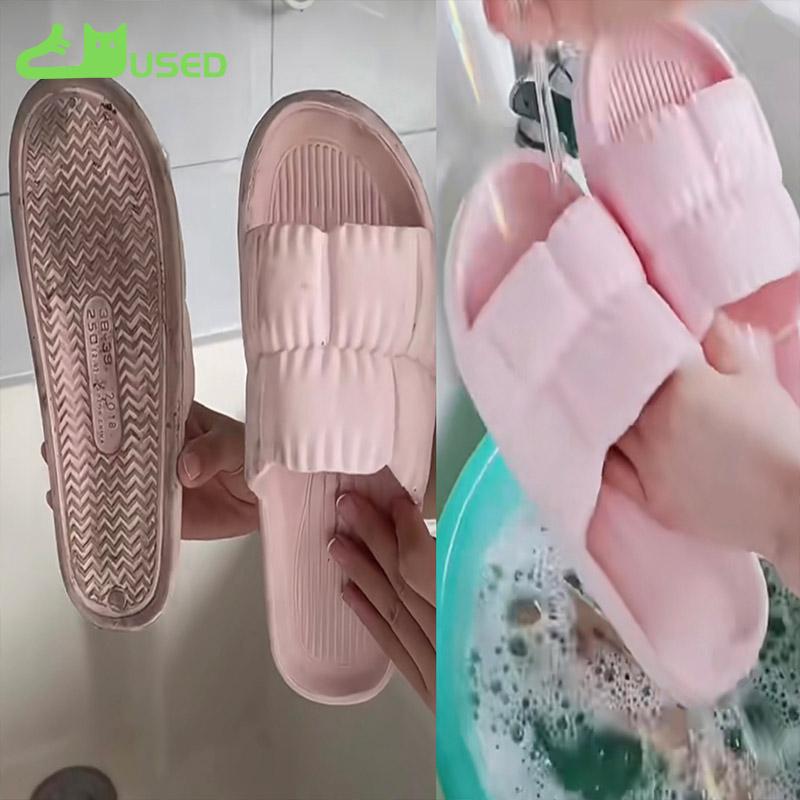
Allow cleaned pairs to dry completely. Plan orientation and protection so bands, posts, uppers and footbeds are not damaged by pressure or dirty contact. Keep mates together.
Label accepted-pair basis, mix reference, gross weight, code, closure date and packer. Weight is a separate measure and should not be converted into pairs without current evidence.
closure requirement
pressure protection
footbeds isolated
count and mix basis
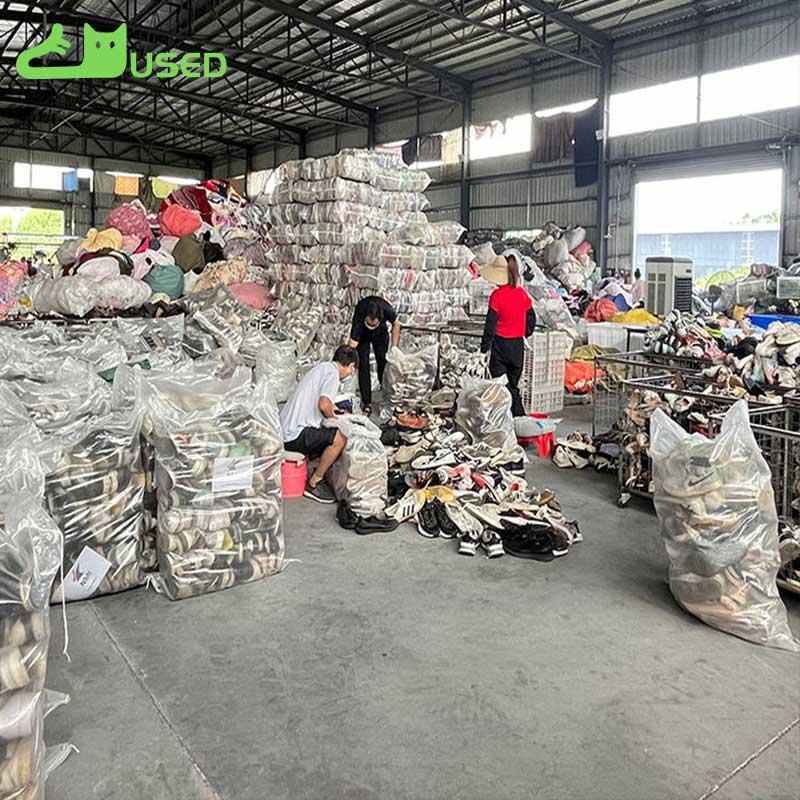
Select coded units across packing positions and compare pair count, attachment, footbed, odor, marked sizes, mix, shape and label. Report the range and expand when one defect clusters.
Record repacks and replacements as revisions. The loading list should use the corrected unit record, and receiving should be able to reproduce the same sample fields.
ordinary coded units
same inspection fields
changed contents
loading list reconciles
Choose ordinary coded bales across different packing positions before the result is known. For each unit, reconcile opened pairs, attachment passes, hygiene preparation, downgrades, holds, rejects and released construction-size cells. Report the strongest and weakest unit instead of relying only on a combined average.
Expand around clustered failures or changed labels. Record the selection list, reviewer and date so a later audit can confirm that weak units were not exchanged for easier examples. Keep the affected inventory on hold until evidence and disposition close.
Compare product, freight allocation, receiving, preparation and exclusion handling on an accepted or sale-ready pair denominator. Preserve the quoted bale and weight units separately. A low bale price can create a weak operational result when pair yield, attachment or drying work is not visible.
preselected coded units
unit-level yield
preparation reasons
accepted-pair basis
Compression can hide or create pair, attachment, odor, shape and mix problems.
Use a written method appropriate to bands, posts, seams and materials.
After drying and post-work attachment and hygiene reinspection.
Keep weight and pairs separate unless a current supported conversion is agreed.
Pair count, attachment, footbed, odor, mix, shape and label.
A slipper bale is ready only when inspection evidence survives preparation, compression and reopening. The used slippers wholesale category sets product scope; the release file determines the current accepted quantity.

Direct Factory Supplier of Used Shoes For African Markets In China
 Tel: +8618606960861
 Email: info@usedshoeswholesale.com
 MP/WhatsApp: +8618606960861
 Manufacturer Address:Cizao Town, Jinjiang City, Quanzhou City, Fujian Province