Market Application Reference | Ethiopia
This Ethiopia page is a Market Application Reference for organizing a used women's shoe export order. It does not document a named customer, completed shipment, delivery result or national sales pattern. Its purpose is to separate a vague one-stop promise into owners, evidence, hold points and release dates that a buyer can verify for a current lot.
Record permitted shoe forms, marked-size priorities, condition boundaries, excluded findings, preparation policy, commercial unit and intended receiving method. Label the version and the person authorized to approve changes. A country name cannot fill any missing product field.
Ask the supplier to return current-lot counts and open questions against that same version. When stock cannot meet one cell, show the shortage and proposed substitution before pricing. This prevents availability, inspection and quotation conversations from drifting into separate undocumented promises.
approves forms and exclusions
defines pair or unit basis
accepts revised cells
dated order-brief version
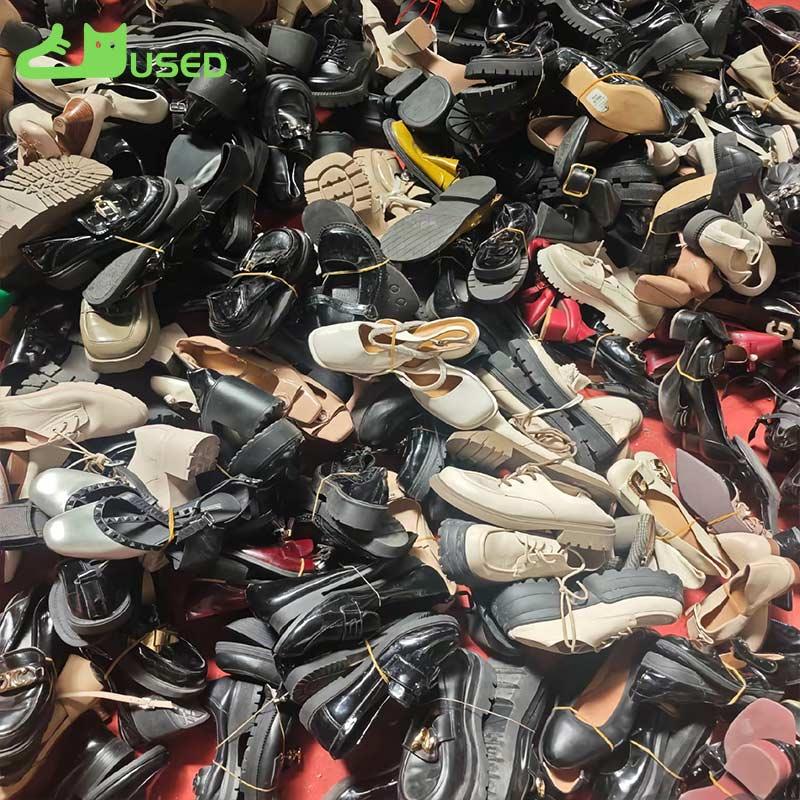
A one-stop service remains auditable only when responsibility is visible. Name who records source-lot identity, who performs pair and condition checks, who approves preparation, who closes assortment counts and who signs each packed unit. One person's final signature should not erase earlier evidence.
Set hold points between stages. Unmatched shoes do not enter grade totals; unresolved condition does not enter the assortment matrix; unapproved substitutions do not enter packing; changed units do not enter loading records until the revision is closed.
intake and lot code
physical dispositions
form-size release
unit closure and revision
Every date is tied to evidence and an owner rather than to an unsupported delivery claim.
| Gate | Owner returns | Release condition |
|---|---|---|
| Order brief | Versioned scope and open cells | Buyer approval |
| Physical grade | Pair dispositions and reasons | Quality sign-off |
| Assortment | Released form-size matrix | Variance approval |
| Packing/loading | Coded closure and reopening | Documents reconcile |
A missed gate moves the release date; it does not disappear from the record.
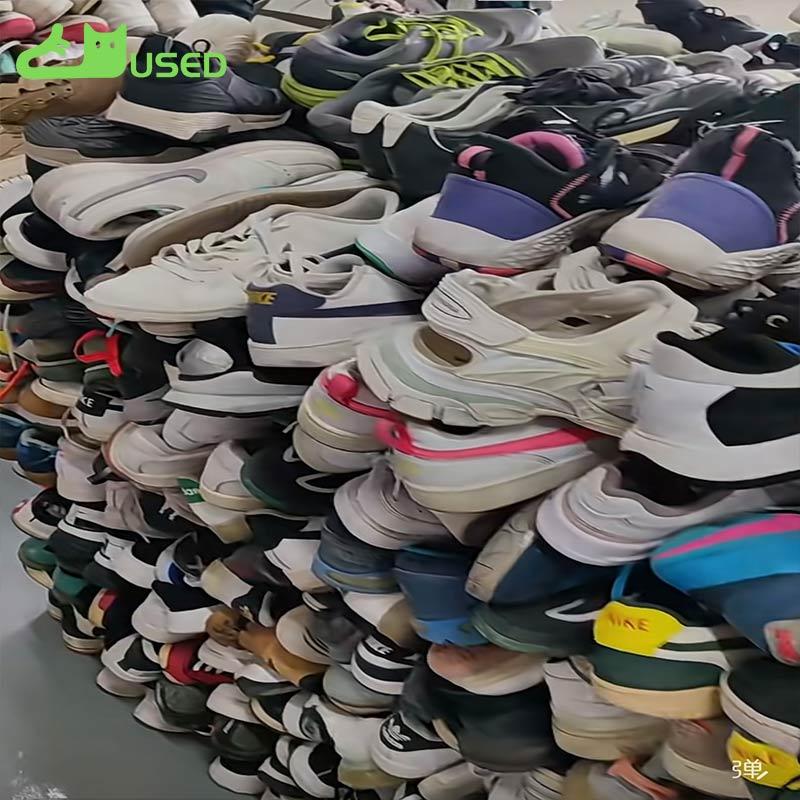
Match mates and readable marks, then inspect sole attachment, outsole loss, upper damage, closure function, interior condition and odor. Add heel stability for heels, strap anchors for sandals, shaft and zip checks for boots, and flex or collar checks for sneakers. The weaker mate controls the pair result.
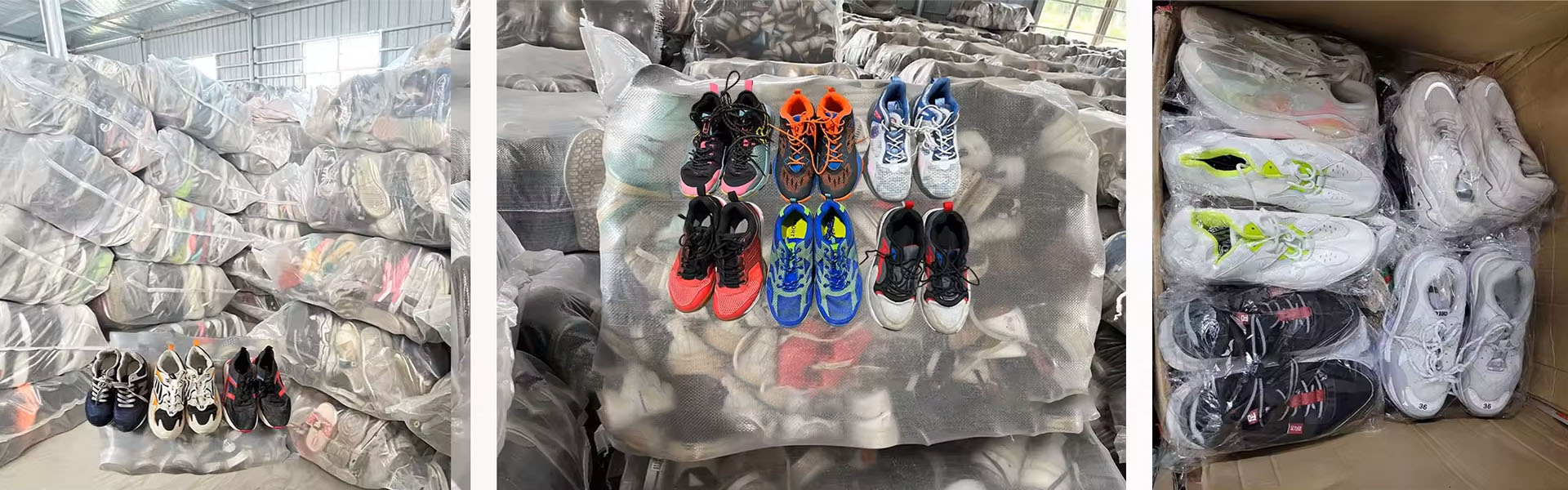
Count pass, preparation, downgrade, structural hold and reject reasons. Representative images should include ordinary and borderline outcomes tied to codes. They support questions about the inspected sample; they do not prove the composition of every uninspected bale.
mates and compatible marks
construction-specific test
approved task pending
outside current order
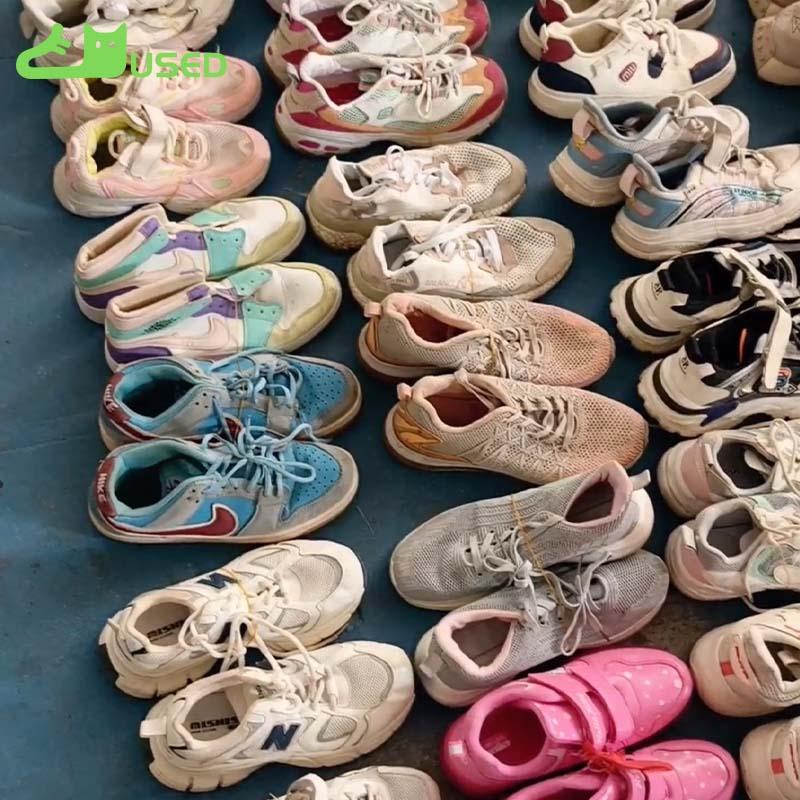
Cross-tab accepted sneakers, flats, sandals, heels, boots and other approved forms by visible marked size. Keep unreadable or conflicting labels outside the final curve. State maximum concentration and substitution rules where balance matters to this buyer.
Return actual counts before packing and preserve the buyer's response. Avoid describing the matrix as Ethiopian demand; it is the purchasing requirement for this order reference. Another buyer may choose different forms, sizes, condition limits or preparation capacity.
released construction lanes
readable marked sizes
written concentration limit
approved substitution record
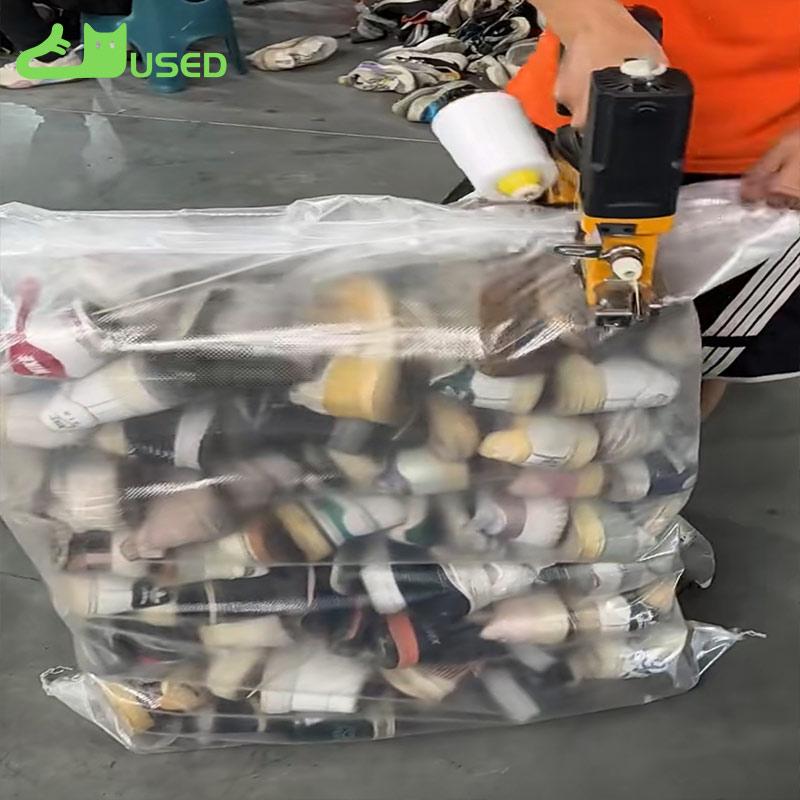
Pack only dry released pairs, keep mates together and protect heels, straps and uppers from damaging pressure or dirty outsole transfer. Label each bale, sack or carton with its code, accepted-pair basis, mix or grade reference, gross weight, closure date and responsible packer.
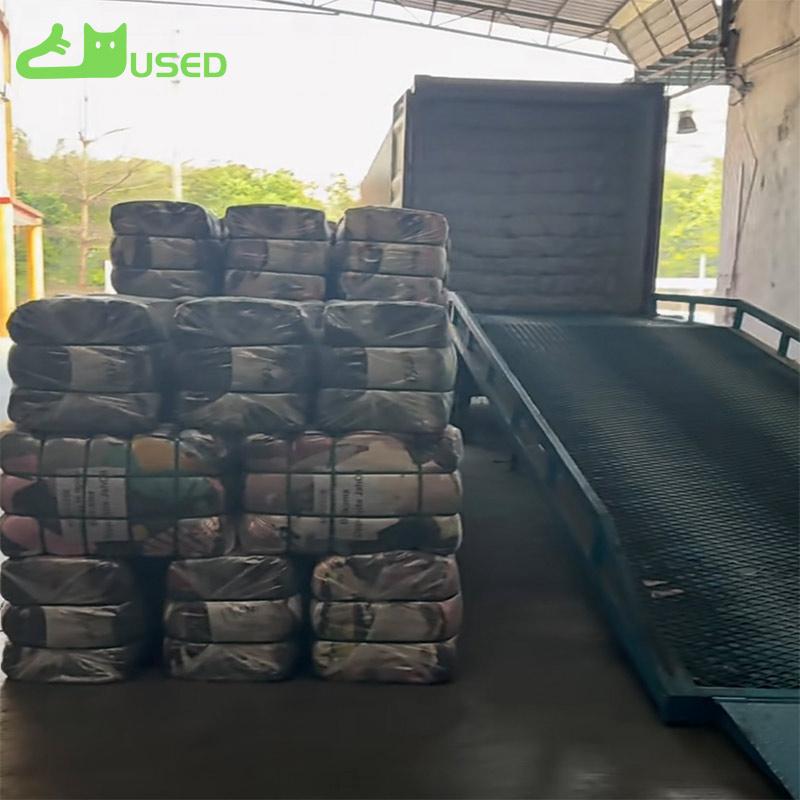
Reopen agreed units before loading. Compare count, dryness, form protection and labels with the release record. If contents change, retain the earlier closure and issue a revision. The loading calendar should depend on the corrected evidence, not on the original planned date.
checked before closure
stable unit code
pairs and weight separated
dated verification result
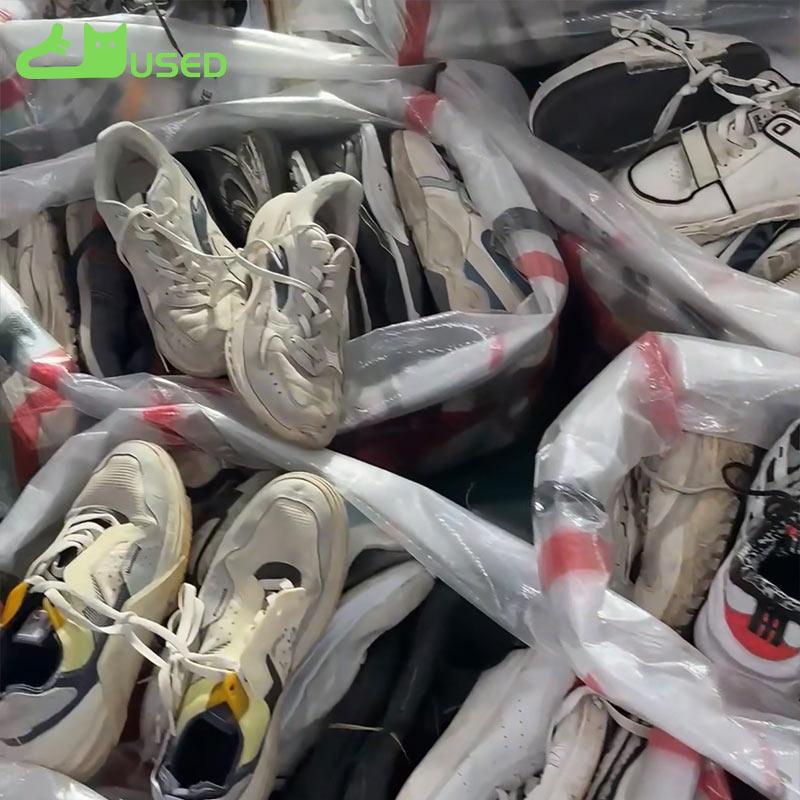
At arrival, select coded units under the agreed method and repeat pair, condition, assortment and packing checks. Record supplier and receiver values side by side. Isolate damage, label conflict and unapproved substitution before affected stock merges with normal inventory.
Assign each variance a physical disposition, commercial discussion owner and completion date. Receiving evidence can revise the next order brief, but one result cannot establish a country-wide preference, guaranteed resale rate or permanent supplier performance.
release under agreed rule
coded hold and evidence
prepare, reallocate or exclude
next-version field change
No. It is a Market Application Reference for a documented order workflow.
It means connected responsibilities with separate evidence and release gates.
No. It is a buyer-specific matrix for the current inquiry.
After its released count, dryness, protection, label and reopening rule are satisfied.
A useful one-stop reference is a chain of accountable release decisions, not a broad service slogan. The used women's shoes wholesale category sets product scope; the current brief, stage evidence and receiving record control the order.

Direct Factory Supplier of Used Shoes For African Markets In China
 Tel: +8618606960861
 Email: info@usedshoeswholesale.com
 MP/WhatsApp: +8618606960861
 Manufacturer Address:Cizao Town, Jinjiang City, Quanzhou City, Fujian Province