Author:Used Wholesale Manufacturer TIME:2026-03-29
Used sneaker cleaning work order
Cleaning used sneakers properly begins with identification and condition, not a universal wash recipe. Materials, adhesives, dyes, prints, coatings, linings and removable parts can respond differently to moisture, friction, heat and cleaning products. A controlled work order records the exact pair, starting reason, permitted method, drying state and post-work release without claiming that appearance proves hygiene or restored performance.
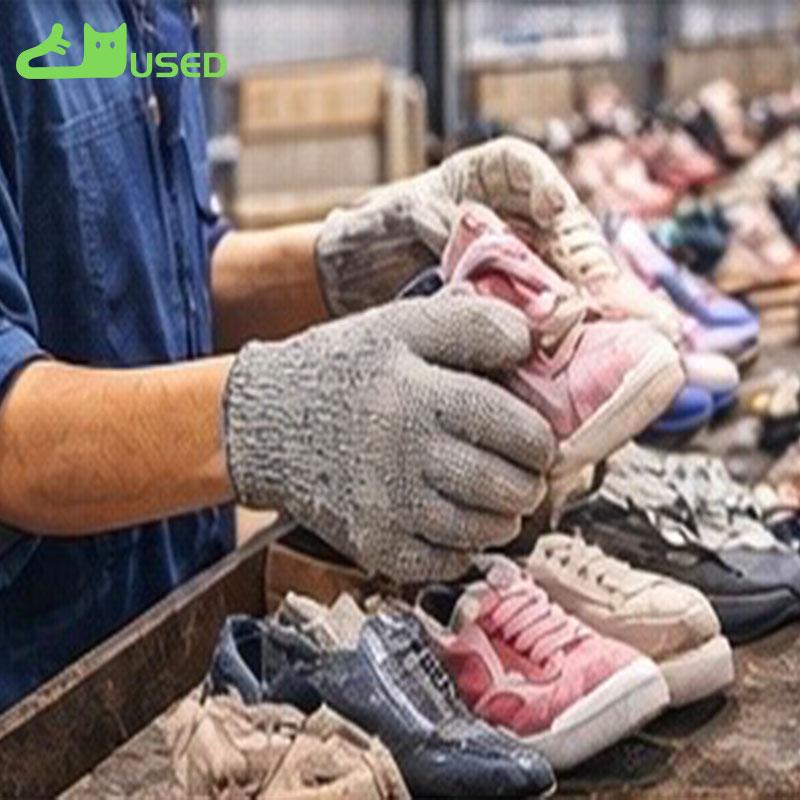
Confirm compatible mates, size marks, sole attachment, outsole condition, upper tears, closures, heel structure, lining, insole, odor, moisture and visible contamination. Photograph and code the pair before surfaces change. Active separation, unstable components, mold-like growth, unknown hazardous residue or other excluded findings follow the buyer's hold or specialist route.
Cleaning should not disguise a failed grade. Record whether the purpose is loose-soil removal, spot treatment, routine presentation work or another allowed task. The starting reason remains attached to the outcome.
compatible coded mates
release before cosmetics
unresolved condition
authorized task
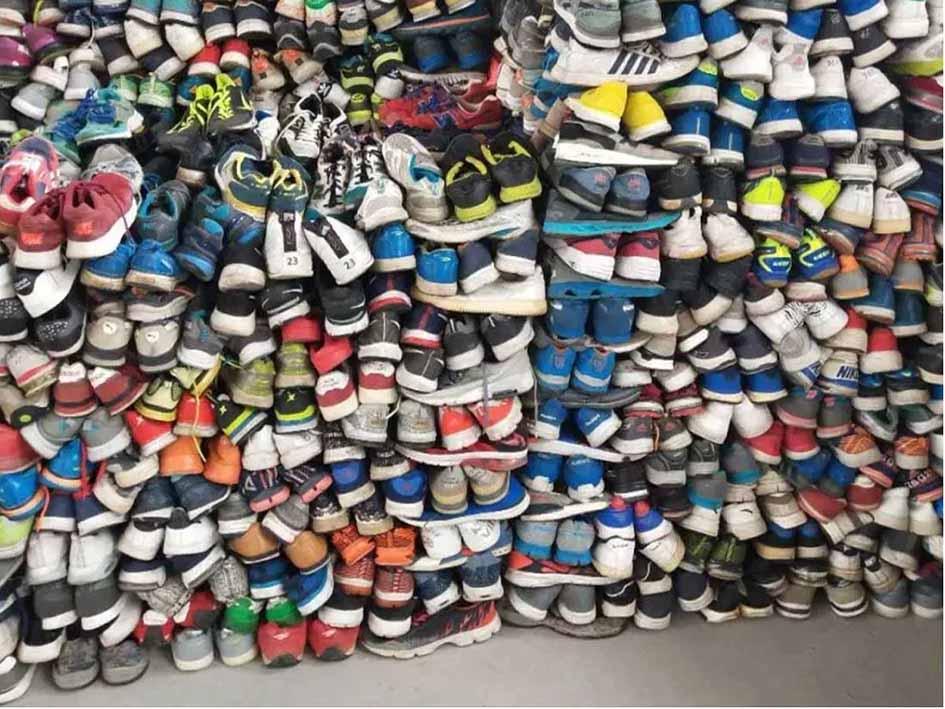
Review labels and construction, then distinguish mesh or knit, coated or natural leather, suede or nubuck, synthetic panels, rubber, foam, printed areas and mixed-material zones as far as the evidence allows. Treat an unknown material as an open field rather than guessing from color or texture.
Check applicable care instructions and the cleaning product's label for material compatibility. Test a small inconspicuous area where appropriate. Color transfer, finish change, adhesive softening or surface distortion should stop the process for review.
shape and color limit
finish-specific route
nap and moisture caution
weakest material controls
Set up pair code, tools, measured product, clean water where the approved method requires it, absorbent material, drying rack and waste route. Use dedicated tools for contact interiors and outsoles where the operation's hygiene plan requires separation.
Remove loose dry soil before adding moisture when compatible with the material. Secure removable laces or insoles under the same pair identity. Do not mix components among pairs to improve appearance or simplify processing.
starting stock
task-specific set
pair identity retained
operator and start time
The card connects each task to a material limit and final disposition.
| Gate | Record | Stop or hold when |
|---|---|---|
| Pre-clean | Pair, structure and reason | Physical exclusion is open |
| Material | Known surface and test | Compatibility is unknown |
| Work | Method, exposure and operator | Adverse change appears |
| Dry | Completion and shape | Moisture or distortion remains |
| Release | Reinspection and lane | Evidence no longer reconciles |
A completed cleaning task is not a release until the coded pair passes the final gates.
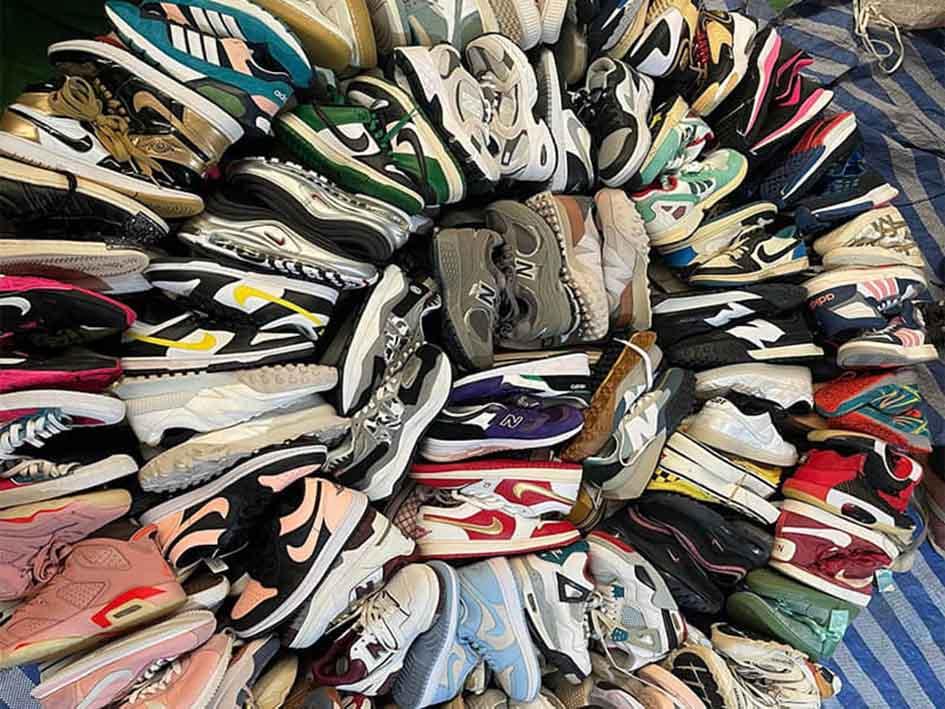
Apply the material-compatible process exactly as authorized, including dilution, contact, agitation and removal instructions where relevant. Avoid unverified combinations, uncontrolled soaking and excessive friction. Mechanical equipment should have a validated product and material scope before use.
Record the action and any variance. A stain that remains within the permitted cosmetic boundary may be released to its original lane; repeated treatment is not automatically better and can create material or bond damage.
approved instruction
controlled amount and time
adverse material change
reason closed or open
Use the drying route approved for the construction and products used. Preserve shape without blocking airflow or trapping moisture. Avoid uncontrolled heat or direct conditions that can deform foam, shrink uppers, affect dyes or weaken adhesives.
Check the relevant interior and layered areas rather than relying on a dry outer surface. Record completion time and any persistent odor, dampness, distortion or bond change. Unresolved pairs stay outside packing.
construction-appropriate
protected during dry
checked beyond surface
dry before release
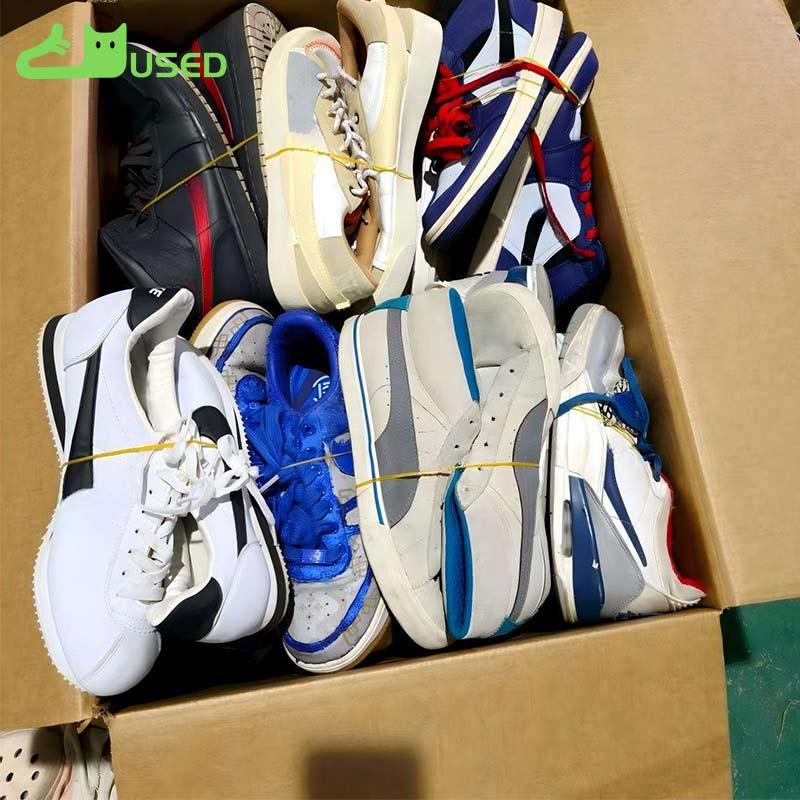
Repeat sole bond, upper, closure, shape, lining, insole, odor and moisture observations. Note color or finish changes and confirm both mates and removable components remain together. Cleaning completion and physical release are separate decisions.
Assign sale-ready, lower cosmetic tier, additional authorized work, hold or reject according to the written specification. Do not upgrade structure because presentation improved.
before and after
structure unchanged
tier decision
dated reviewer
For wholesale stock, count pairs entering each material route, labor or process time, products used, rework, releases, downgrades and exclusions. Sample ordinary finished pairs across operators and dates. Keep cleaning-heavy inventory visible when estimating accepted-pair cost.
The packing inquiry should specify allowed preparation, dryness evidence, pair coding, unit labels and reopened-unit checks before loading. A supplier should return current counts and identify materials or tasks outside its validated route.
pairs by reason
method and operator
released disposition
work per accepted pair
No. Material, trim, adhesive, dye and care instructions can require different routes.
Use only a method validated for the exact construction; uncontrolled soaking can create damage.
Not automatically. Cleaning, hygiene treatment and physical release answer different questions.
After the approved check closes moisture across relevant interior and layered areas.
Record reason, method, time, materials and disposition per accepted pair.
Proper sneaker cleaning is a material-controlled work order, not a universal recipe. The used sneakers wholesale category defines the product family; coded triage, drying and reinspection control the released quantity.

Direct Factory Supplier of Used Shoes For African Markets In China
 Tel: +8618606960861
 Email: info@usedshoeswholesale.com
 MP/WhatsApp: +8618606960861
 Manufacturer Address:Cizao Town, Jinjiang City, Quanzhou City, Fujian Province