Author:Used Wholesale Manufacturer TIME:2026-08-13
Used outdoor sandal inspection route
Used Chacos wholesale grading should follow the full sandal system instead of judging one buckle or a clean footbed. Strap travel, anchors, buckle function, footbed condition, outsole wear, sole bond, marked size and pair compatibility all affect the commercial lane. A checklist can record observable condition, but it cannot guarantee traction, hygiene, fit or suitability for a climate or activity.
Check compatible left and right units, marked size, width or fit notation where present, footbed shape, outsole pattern, strap color and construction. Record replacements or modifications.
Hold pairs with conflicting sizes, mismatched sole units or unverified alterations. Do not create a pair from visually close single sandals.
construction agreement
original mark
matching pattern
replacement disclosed
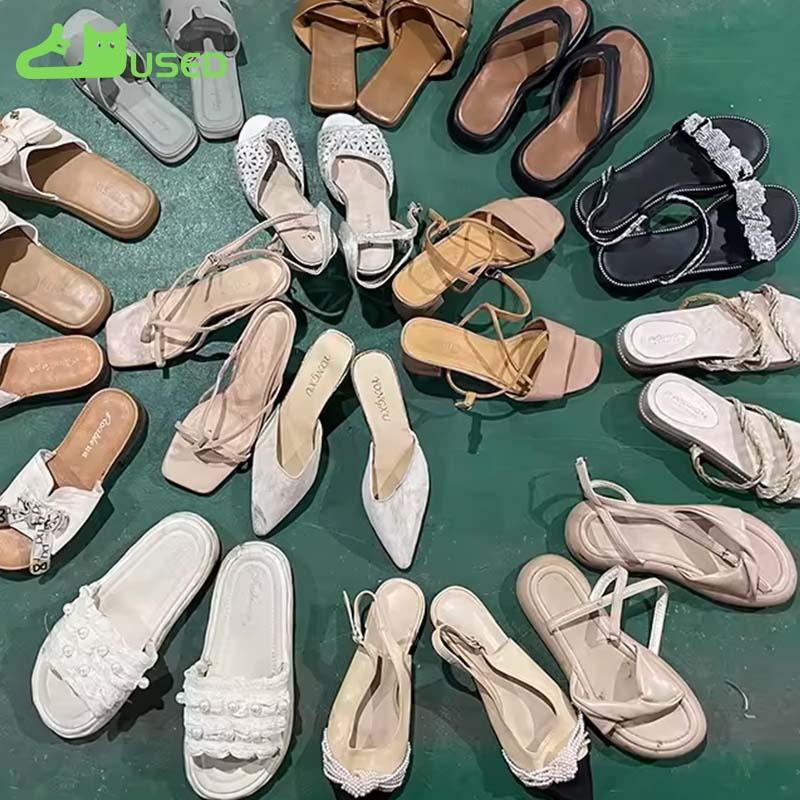
Inspect fraying, cuts, glazing, staining, twist, stiffness and uneven length along the visible strap route. Check entry and exit points, anchor areas, buckle body and the path through adjustment points without forcing a blocked mechanism.
Compare travel and positioning between mates. A working buckle does not close hidden anchor damage or a strap that cannot adjust within the expected range.
surface and flexibility
visible entry condition
body and movement
left-right route
Record compression, cracking, cuts, delamination, staining, residue, odor, moisture and visible contamination under the written condition and hygiene rules. Photograph full footbeds under consistent light.
Visible marks may fit one resale lane and fail another; use a written boundary and material-compatible preparation test. Do not claim that appearance proves disinfection or wearer safety.
shape and compression
marks and damage
hold scope
compatible route
The ledger keeps visible condition, preparation and the final inventory action together.
| Finding area | Evidence | Inventory action |
|---|---|---|
| Pair identity | Size, sole and strap configuration | Release or mismatch hold |
| Strap/buckle | Full route and anchor condition | Release, repair review or reject |
| Footbed | Surface, moisture and hygiene hold | Condition lane or treatment test |
| Outsole/bond | Wear zones and attachment | Physical lane or reject |
| Preparation/mix | Completed yield and local demand cell | Order quantity and price lane |
The sandal enters a resale lane only after every connected part and the local destination have a recorded answer.
Inspect heel, forefoot, edges and local lugs or pattern for wear, cuts, hardening, deformation, embedded material and exposed layers. Follow the sole bond around the pair and compare shape between mates.
A photograph cannot certify traction on wet, loose or uneven surfaces. Keep statements limited to observable tread and physical condition.
wear zone
pattern and damage
perimeter evidence
no traction guarantee
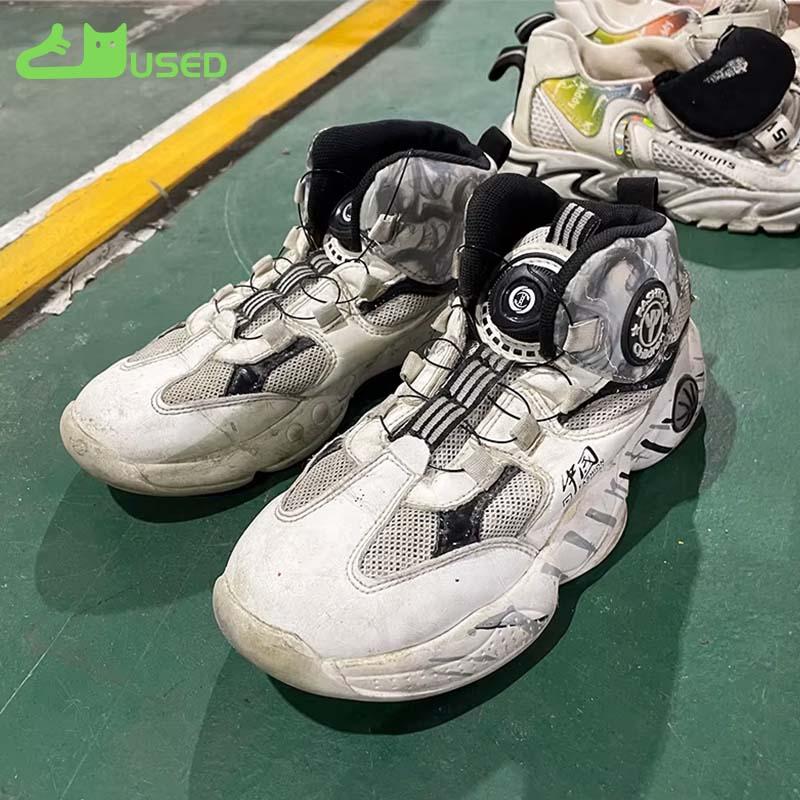
Select ordinary pairs across footbed and strap conditions, then apply only an approved material-compatible process. Record labor, products, drying, color or texture change, unresolved odor and final disposition.
Count pairs released after completed preparation rather than all candidates. Repeated treatment should not be used to hide material failure or exceed the resale price lane.
ordinary conditions
material-compatible
interior and strap checked
released pairs only
Plan marked sizes, customer group, style, color, condition lane and price band for the actual country, city and outlet. Record sales, missing sizes, returns and slow stock by the same fields.
Warm weather alone does not establish demand for one brand or construction. Start with a controlled quantity and retain an exit route for narrow sizes or visible footbed wear.
place and outlet
marked system
condition and price
sales and missing demand

Define pair binding that does not damage straps or buckles, keep footbeds from transferring soil, protect shape and retain size and lane labels. Record bale or carton codes and any reopened unit.
Request ordinary completed-pack evidence. At receiving, verify pair identity, strap path, moisture, footbed, outsole and sample counts before distribution.
pair without damage
clean contact surfaces
size and lane
same route repeated
Provide pair, strap, anchor, buckle, footbed, outsole, bond, size and hygiene limits. Request selected ordinary pairs with full strap-path, footbed and outsole views plus preparation records where work is included.
The supplier response should count holds, difficult footbeds, strap failures and size concentrations. A claim such as good for hot markets is not a substitute for local channel evidence.
pair system
path, bed and sole
completed preparation
size and lane counts
No. Review the entire visible path, anchors, travel and both mates.
Use a written channel boundary plus hygiene and material limits; do not infer safety from appearance.
Run an approved process on ordinary pairs and count completed released outcomes.
No. They document visible wear and damage but do not guarantee performance.
Use received condition, preparation yield, sizes, returns, slow stock and missing local demand.
Outdoor sandal grading works when the complete strap-to-sole route remains visible. The used slippers and sandals wholesale category is the relevant site family; pair evidence, preparation yield and local channel results define the order.

Direct Factory Supplier of Used Shoes For African Markets In China
 Tel: +8618606960861
 Email: info@usedshoeswholesale.com
 MP/WhatsApp: +8618606960861
 Manufacturer Address:Cizao Town, Jinjiang City, Quanzhou City, Fujian Province