Author:Used Wholesale Manufacturer TIME:2026-08-13
Second-hand designer verification operations
A verification lane for second-hand designer shoes is an operational queue, not an authentication shortcut. It should define which statement needs support, which item-linked records are present, who can review the open question, how custody is protected, what the service deadline is and which language is allowed while the case remains unresolved. Condition grading continues on a separate track and cannot close a product-claim question by itself.
Record the seller's wording, intended resale description and the level of support the buyer requires for that description. Separate brand, model, material, origin, accessory and condition statements instead of combining them into one verified label.
The lane should also state which claims are prohibited while evidence is incomplete. A lower price does not convert an unresolved claim into a supported one.
exact wording
listing or purchase decision
required support scope
language not permitted
Assign a pair code and capture both shoes, marked size, labels, construction, outsole markings, hardware, lining, accessories and packaging as present. Record the lot or seller reference and the date of intake.
Describe observations without asserting conclusions the reviewer has not made. Missing, conflicting or unreadable fields remain explicit in the file.
one exact pair
original condition
seller and lot
missing or conflicting data

Use a scope-specific checklist for required images, documents, custody history, seller statements and prior review references. The checklist should distinguish required, optional, not applicable and unavailable items.
A complete file is ready for the assigned review; it is not automatically a positive result. Avoid filling gaps with comparisons to familiar-looking stock.
present and readable
recorded if supplied
gap disclosed
review or evidence return
The service sheet defines what each status allows and who must move it forward.
| Queue status | Required record | Responsible action | Release limit |
|---|---|---|---|
| Evidence return | Missing or conflicting item-linked field | Supplier or intake owner completes file | No claim release |
| Under review | Complete scoped submission | Assigned reviewer records decision | Pending language only |
| Specialist route | Service reference and custody log | Track response and limitations | No implied result |
| Exception | Mismatch, unauthorized change or overdue case | Escalation owner chooses route | Physical hold |
| Released/closed | Outcome, scope, date and condition check | Listing owner uses approved wording | Only supported statements |
Queue status controls permitted action; appearance and price cannot bypass it.
Define which checks can be performed internally and when an appropriate specialist service is required. Record reviewer identity or role, scope, submission date, expected response and service terms relevant to the buyer.
Do not present a pending submission as a completed verification. When no suitable route exists, narrow the proposed claim or decline the premium lane.
internal or specialist
named role
service deadline
narrow claim or decline
Store the coded pair in a controlled location and record handoffs, temporary removal, packaging changes and any new photograph set. Keep accessories and removable components linked to the item.
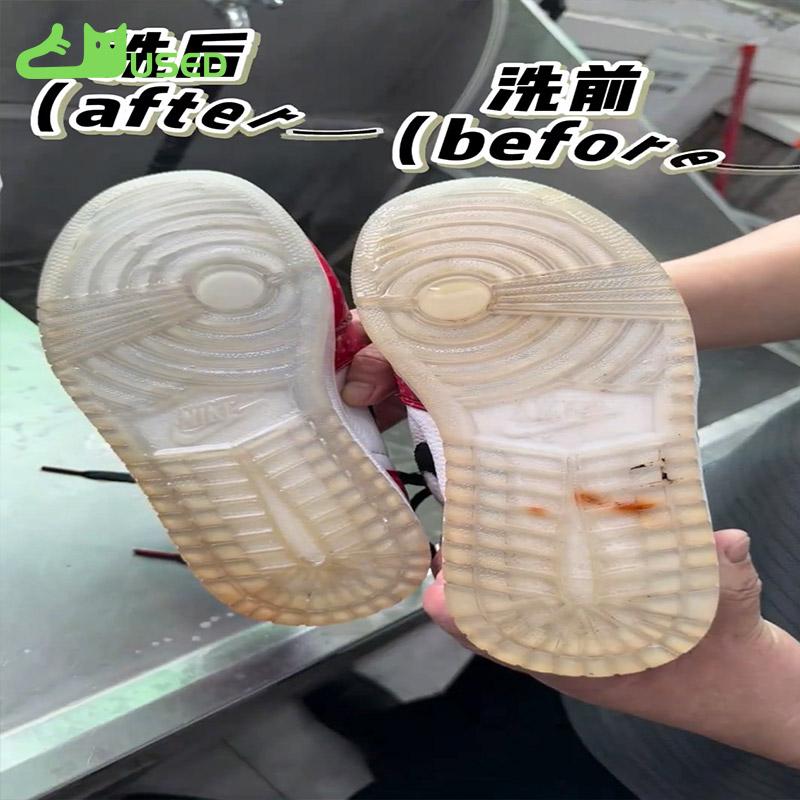
Cleaning or repair can alter evidence. Permit only work authorized under the queue status and retain before/after records; otherwise keep the pair physically on hold.
controlled shelf or tray
from, to and time
authorized action only
versioned evidence set
Create separate statuses for evidence conflict, item mismatch, transport variance, unauthorized work, reviewer question and overdue response. Each status needs a next action and escalation owner.
An overdue case should not drift into normal listing stock. The business may request evidence, change the permitted description, transfer the item to a non-premium route where appropriate or reject it under the approved commercial rule.
records disagree
item identity changed
deadline missed
named decision route
Report new, evidence-return, under-review, specialist, exception, released and closed cases. Track age, reviewer workload, item value allocation and pending preparation so the queue does not hide inventory exposure.
Set a maximum open count or capital ceiling based on actual reviewer throughput. Slow verification capacity should narrow future buying rather than create a larger uncertain shelf.
cases by status
time in queue
reviewer capacity
capital on hold
Record the review outcome and its scope, then check that physical condition, completed preparation and intended channel are still valid. A supported claim does not override a failed heel, sole or interior boundary.
Approve only the description supported by the final file. Preserve the prior queue history, decision date, owner and any limitation required by the chosen route.
scope-specific result
separate physical release
approved description
retained decision trail
At receiving or before listing, confirm the pair code, packaging, accessories, custody record and physical state. Route substitutions, transport damage or missing evidence as new exceptions instead of relying on the pre-shipment decision.
Review customer disputes, returns, service delays and closed-case quality. Change a specific intake field, reviewer route, deadline or custody control for the next buying cycle.
same coded pair
complete file transfer
new exception status
queue rule change
No. It means the scoped record is ready for the assigned review route.
No. Physical condition and product-claim support are separate decisions.
Narrow the permitted statement, choose an approved alternative route or decline the premium decision.
Those actions may change item evidence, condition or custody and therefore require authorization.
Use open case count, age, reviewer throughput and capital held, not only released successes.
A designer verification lane is a controlled service queue with limits, custody and accountable closure. The used brand shoes wholesale category defines the wider branded supply context; a coded file, authorized reviewer, dated status and separate condition release govern each listing decision. In the inquiry form on this page, identify the intended claim scope, evidence available, review deadline and maximum open-case exposure.

Direct Factory Supplier of Used Shoes For African Markets In China
 Tel: +8618606960861
 Email: info@usedshoeswholesale.com
 MP/WhatsApp: +8618606960861
 Manufacturer Address:Cizao Town, Jinjiang City, Quanzhou City, Fujian Province