Author:Used Wholesale Manufacturer TIME:2026-08-13
Second-hand shoe container specification
A request for second-hand shoes becomes a container specification only after the importer turns destination outlets into measurable packing instructions. The file must state which footwear families belong in the load, the permitted size and condition ranges, how packages are identified, what evidence represents current stock and how arrival counts will be reconciled. The container is the transport boundary; the commercial decision is built from the pairs that can be released into the named resale routes.
List the actual routes expected to receive inventory, such as a value shop, market table, online team or local wholesaler. For each route, record the footwear families it can display, the sizes it routinely handles and the amount of cleaning, photography or repair work it can absorb.
Keep observation separate from certainty. A buyer may have repeated inquiries for one family, but that signal still needs a bounded trial and a dated sales record before it justifies a larger allocation.
named resale outlet
accepted shoe types
pairs prepared per cycle
stock the route cannot use
Write the target share for each approved family and define whether the share is measured by pairs, package count or weight. State the acceptable variance around the target and the action required when a block falls outside that range.
Do not hide uncertain categories inside a mixed label. If sports shoes, formal shoes, slippers or children's footwear need separate grade rules, give each block its own observable boundary and package mark.
pair, package or weight
planned family share
permitted variance
hold or approved substitution
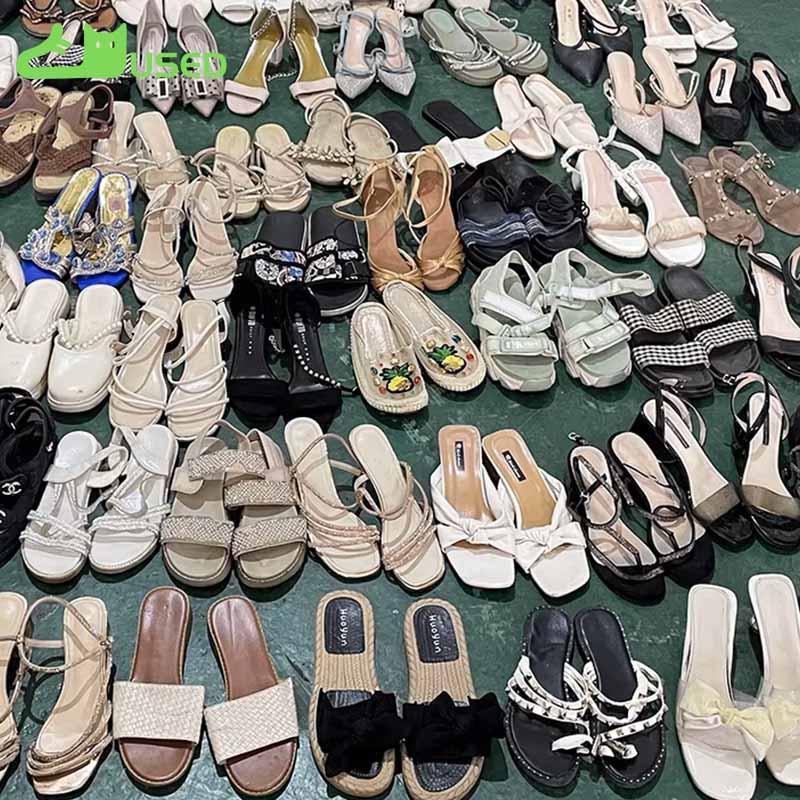
Use the destination team's own selling records to choose the target range, then request a count by marked size and sizing system. Unknown, unreadable and conflicting marks should remain visible rather than being forced into a convenient curve.
A size curve is useful only when the supplier and importer count it the same way. Define how paired but differently marked shoes, youth-to-adult transitions and unmarked pairs are routed before loading.
label convention
destination boundary
pairs by marked size
separate coded route
The blueprint connects destination use, package instructions and an arrival test.
| Load block | Written specification | Packing proof | Arrival decision |
|---|---|---|---|
| Footwear family | Target share and tolerance | Marked package count | Release ratio by family |
| Size curve | Range, system and unknown route | Pair labels in distributed sample | Count by marked size |
| Condition lane | Observable release and hold limits | Wear-zone pair views | Grade variance |
| Package unit | Weight or pair-count method | Scale and package record | Reconciled unit |
| Substitution | Authorized boundary and owner | Change log | Accept, claim or reject |
A container is approved from traceable blocks, not from an attractive average sample.
Describe compatible mates, upper condition, opening shape, closures, heel, sole attachment, interior state and visible moisture signs for each resale lane. Separate cosmetic wear from structural concern and from work that requires a qualified process.
Photos cannot establish grip, remaining life, hygiene status or universal wearability. Where the available evidence cannot close a decision, specify a hold or sampling route instead of presenting a confident grade label.
within written pair limits
bounded known work
disclosed lower route
unresolved structure or evidence
Assign a unique mark to every package and link it to category block, grade, target weight or pair count and loading position. Record the weighing method, scale reference and treatment of packaging material so both sides understand what the number represents.
Keep approved substitutions in a change log with the affected package, reason, evidence and decision owner. Verbal replacement after packing breaks the connection between sample approval and the arriving goods.
unique package code
category and grade block
weight or pair count
loading-zone reference
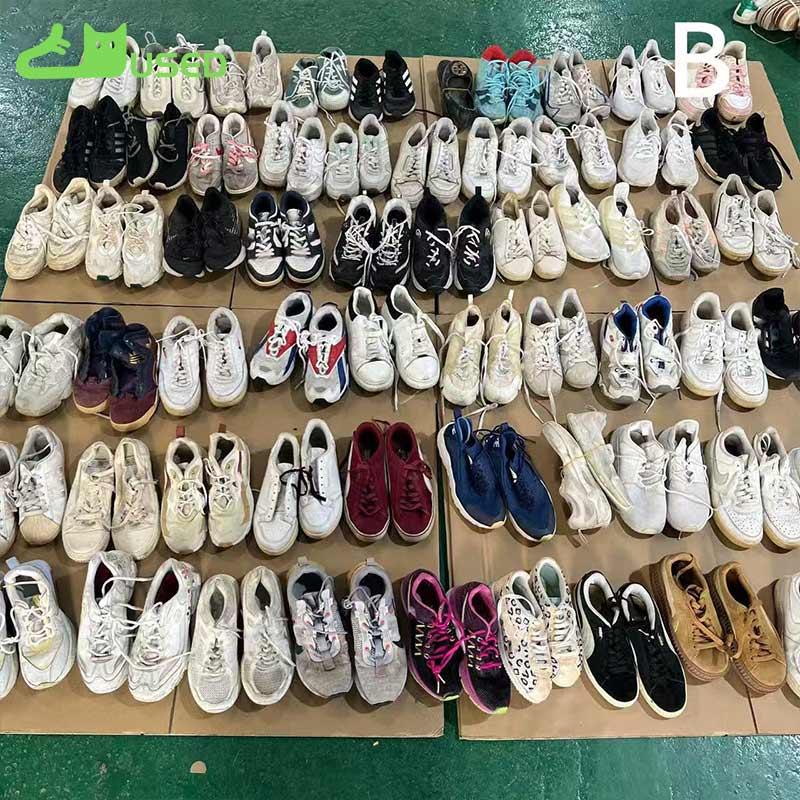
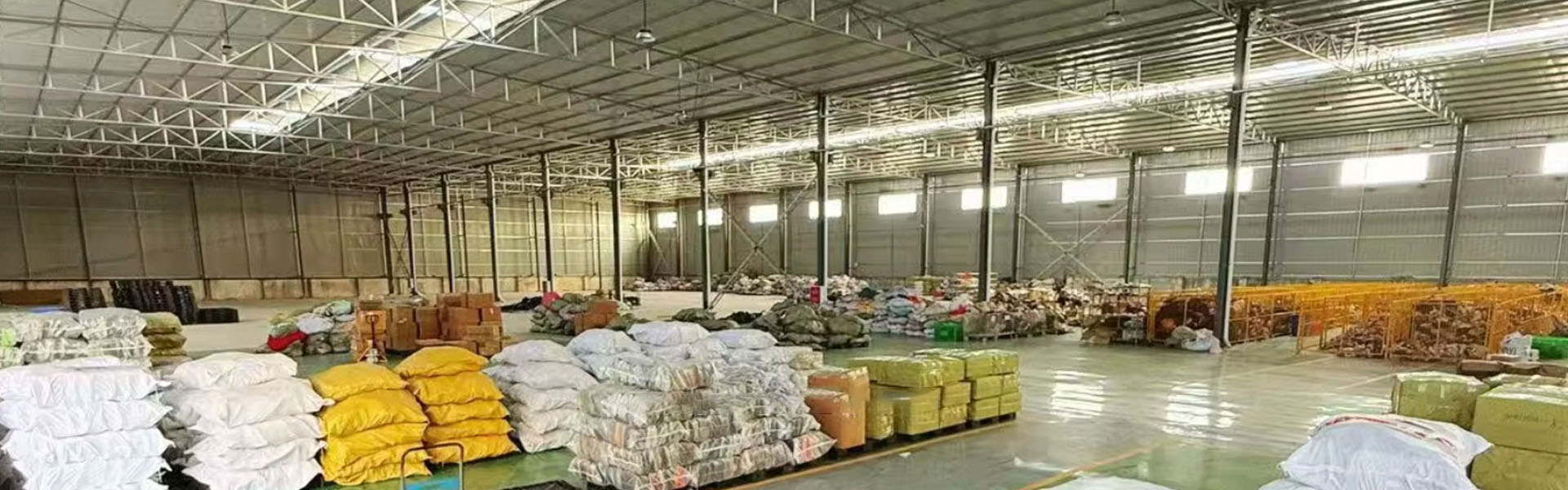
Request evidence that moves from storage context to identifiable packages and then to paired close views. Sample different stock positions rather than relying on display pairs or a reusable promotional clip.
Record what each sample is intended to test: category share, size marking, condition boundary, package identity or substitution. If the sample cannot support the requested block, narrow that block before calculating a full-load forecast.
current warehouse view
several stock positions
mates, marks and wear zones
approve, narrow or stop
Use a live packing list that totals packages by block and compares actual figures with the approved blueprint. Photograph package marks and loading zones where operationally available, and stop the process when an unexplained variance exceeds the written tolerance.
The final count should reconcile to invoice and packing records without erasing late changes. A closed load file identifies who accepted each exception and which evidence will be checked first at arrival.
actual packages by block
target versus loaded
authorized exception
signed final record

Preserve package marks during distributed opening and count released, preparation, downgrade, hold, mismatch and reject outcomes by block. Add labor and other landed allocations using the buyer's accounting method, then divide by pairs released to the intended route.
Change a named ratio, size tolerance, defect boundary, package instruction or evidence request for the next order. General feedback such as improve quality cannot be tested and encourages the same disagreement to return.
released pairs by block
minutes and queue size
accepted-pair basis
one dated specification change
No. Build the ratio from the buyer's named outlets and tested receiving evidence.
No. Define footwear family, grade, size treatment, packing identity and the weighing method.
Keep them in a separate coded route unless an approved measurement method assigns them.
Only within a written boundary with package-level evidence and an authorized buyer decision.
Use released-pair yield, work burden and destination response by load block.
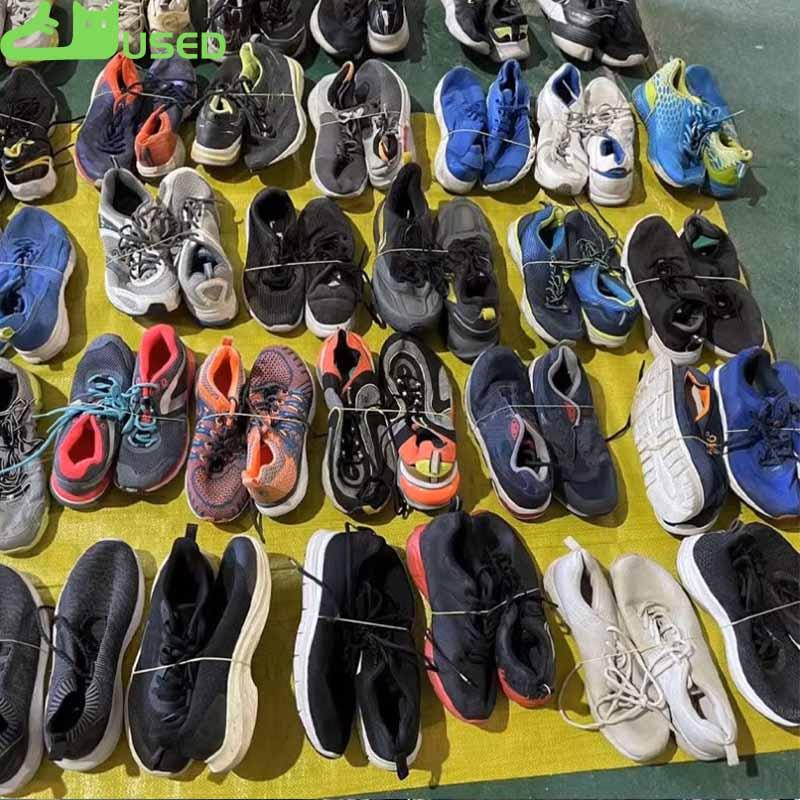
A useful container specification is a traceable allocation plan, not a request for whatever is popular. The used mixed shoes wholesale category provides the product frame; outlet capacity, package identity, measurable tolerances and arrival yield decide the final blocks. Use the inquiry form on this page to send the destination routes, category ratios, size rules and packing unit that need a supplier response.

Direct Factory Supplier of Used Shoes For African Markets In China
 Tel: +8618606960861
 Email: info@usedshoeswholesale.com
 MP/WhatsApp: +8618606960861
 Manufacturer Address:Cizao Town, Jinjiang City, Quanzhou City, Fujian Province