Author:Used Wholesale Manufacturer TIME:2026-08-13
Used shoes online mixed-load separation
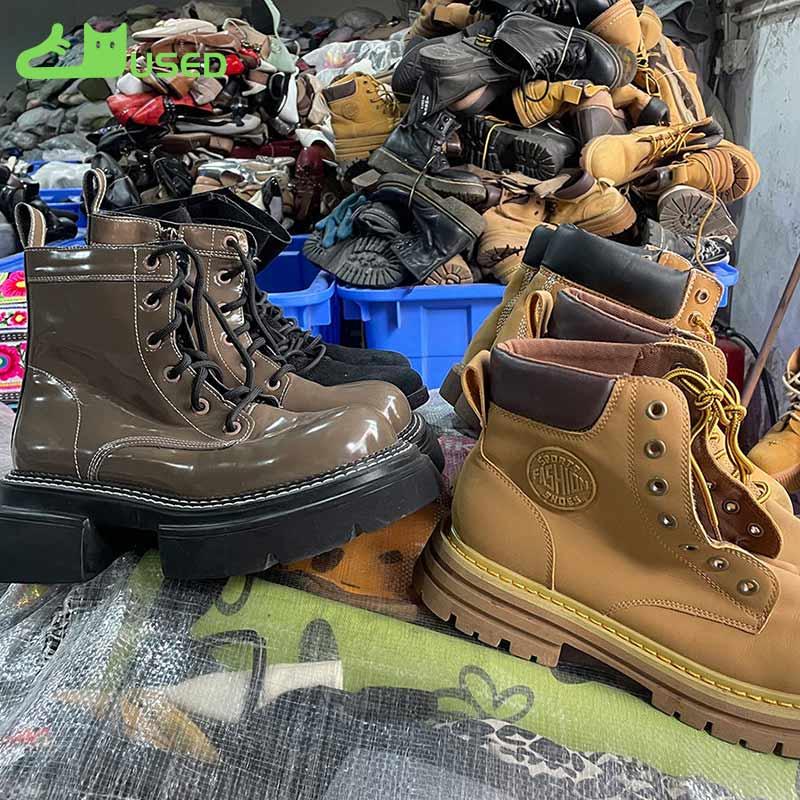
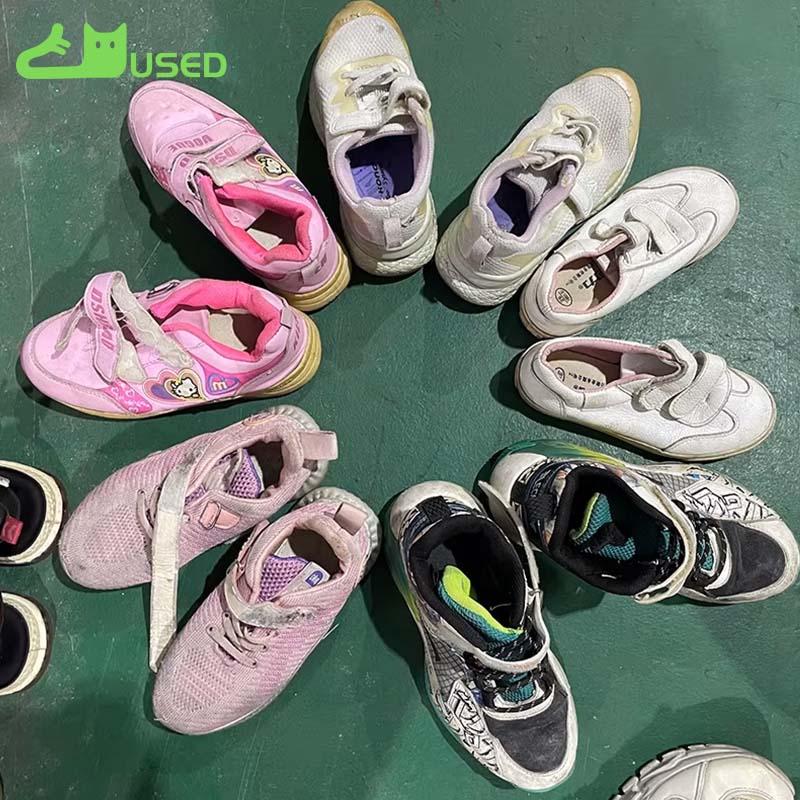
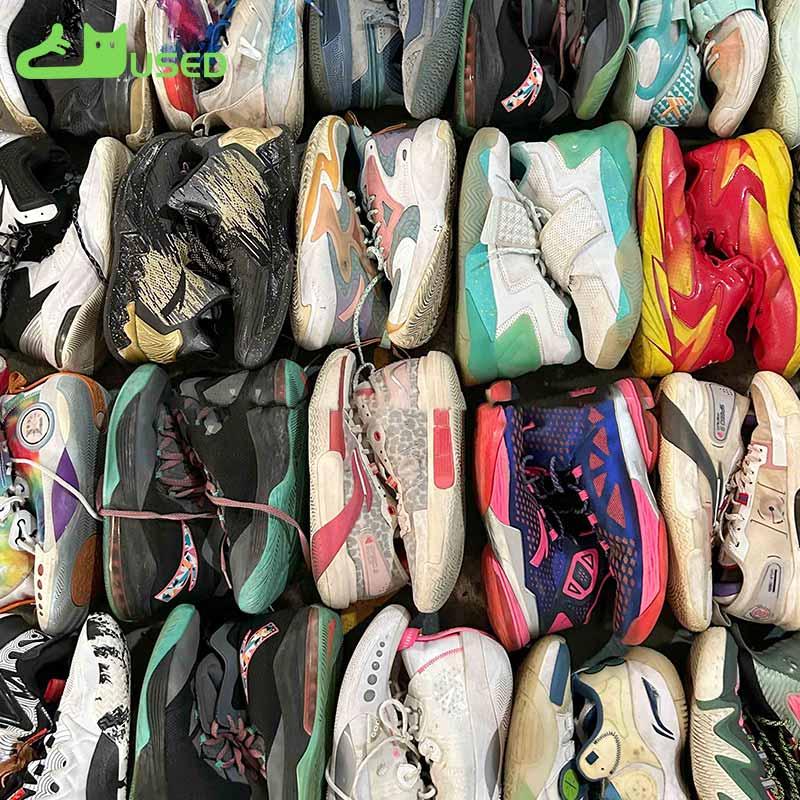
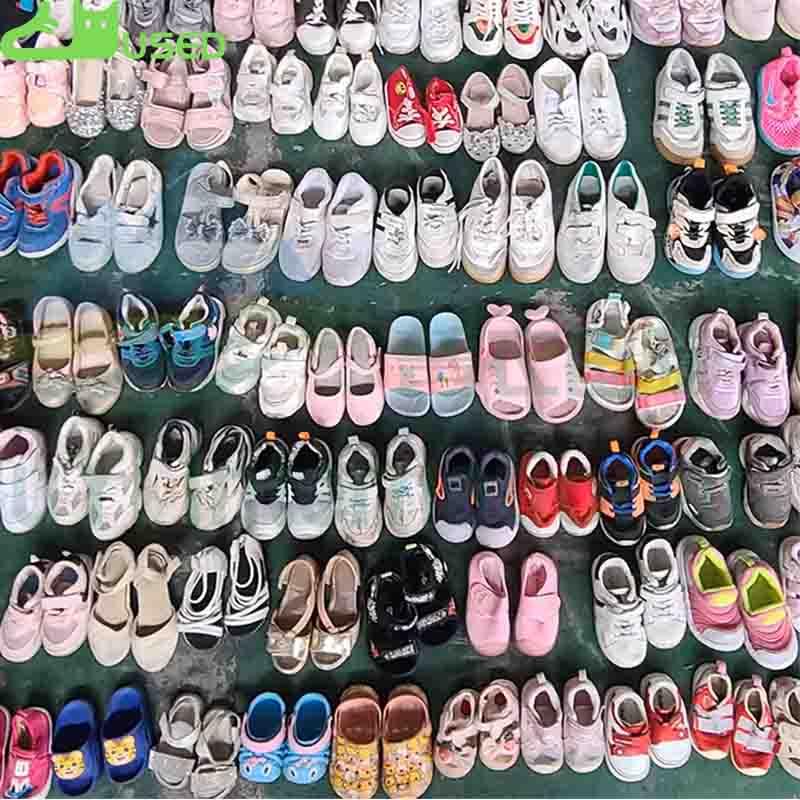
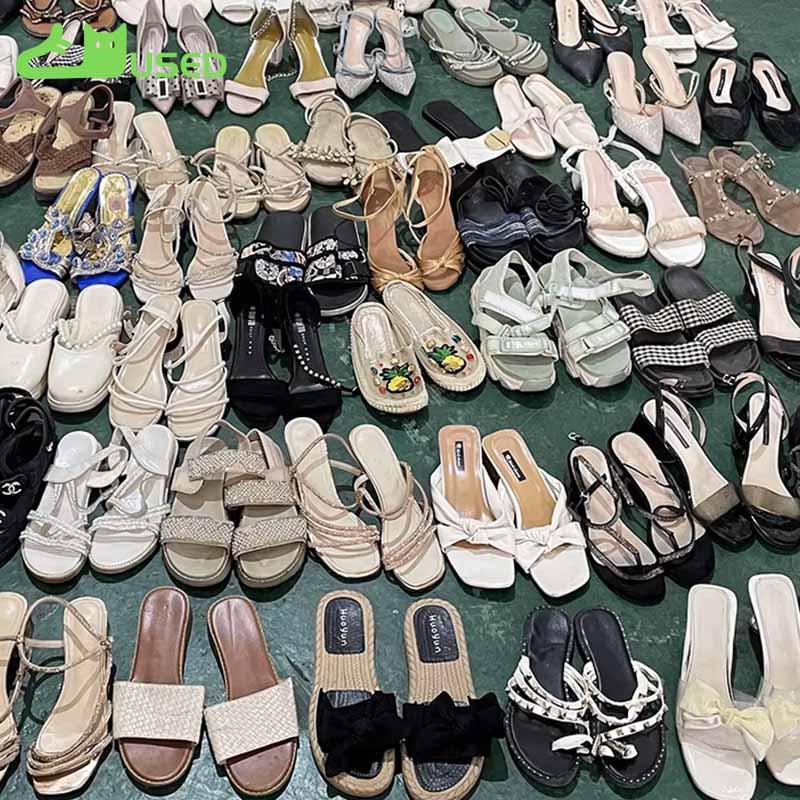
Used shoes online buyers often receive an assortment described in one sentence and shown through a small set of attractive images. A stronger purchase file separates the load before price negotiation: exact allocated stock versus representative evidence, category and size mix, complete pairs, physical condition, product-claim status, preparation burden and packing lanes. The same separation must be repeated at receiving. This prevents a broad mixed-load label from hiding substitutions, unbalanced categories, service-heavy stock or items that should never enter ordinary sellable inventory.
Capture seller identity, offer date, stock location, quantity basis, allocation status, category scope, grade wording, price, currency and delivery boundary. Mark every image, video or list as exact offered stock, a representative sample or general supplier capability.
Do not infer warehouse quantity or category percentages from a screen view. If allocation can change before packing, define substitution limits and required approval. Save the approved offer version so later edits do not erase the decision basis.
allocated identifiable stock
sample with method
not current allocation proof
written tolerance and approval
Require counts or supported percentages for buyer-defined families such as men's, women's, children's, sneakers, boots, sandals and other relevant groups. Record marked-size bands, unknown marks and complete-pair basis. Keep bags or unrelated goods outside a footwear denominator unless the contract intentionally includes them.
A mixed load can contain many released pairs and still fail the outlet plan because the category or size distribution is wrong. Compare the proposed lanes with dated local stock and sales observations, but do not turn search interest or one sale into a guaranteed demand ratio.
buyer-defined category
marked bands and unknowns
complete mates
separate denominator

For the offered sample, inspect upper structure, sole wear and bonds, closures, lining, insole, contamination and mate consistency. Place items into release, service pending, evidence hold, restricted route and decline. Document the selection method and uncertainty.
Do not allow cosmetic appearance to close a structural or claim field. A grade word is useful only when it maps to written tolerances and exclusions. Keep unresolved stock out of the ordinary sellable count and price model.
physical fields closed
authorized work then recheck
open claim or identity
outside accepted boundary
Estimate sorting, cleaning, relacing, repair, photography, measurement, listing and storage for representative pairs in each category-condition lane. Record who performs specialist work and the required reinspection.
One average preparation figure can hide a small but expensive cohort. Set a maximum work burden and days-held rule per lane. Route pairs outside the ceiling to a lower-value, claim or decline path before they absorb normal listing capacity.
category and pair reconciliation
minutes and materials
task cost and recheck
days before release
The board links the offer representation to a package and receiving decision.
| Lane field | Before order | Before shipment | At receiving |
|---|---|---|---|
| Evidence relation | Exact, representative or capability | Allocated stock confirmed | Offer version retained |
| Category and size | Counts or supported percentages | Packing lines and marks | Actual complete-pair mix |
| Condition | Sample method and tolerances | Holds not merged | Release, service, hold, decline |
| Preparation | Work ceiling by lane | Service status visible | Actual minutes and disposition |
| Economics | Yield and endpoint assumptions | Final quantity and charges | Actual lane cost and variance |
A mixed load remains controllable when every important online field can be reconstructed from the received packages.
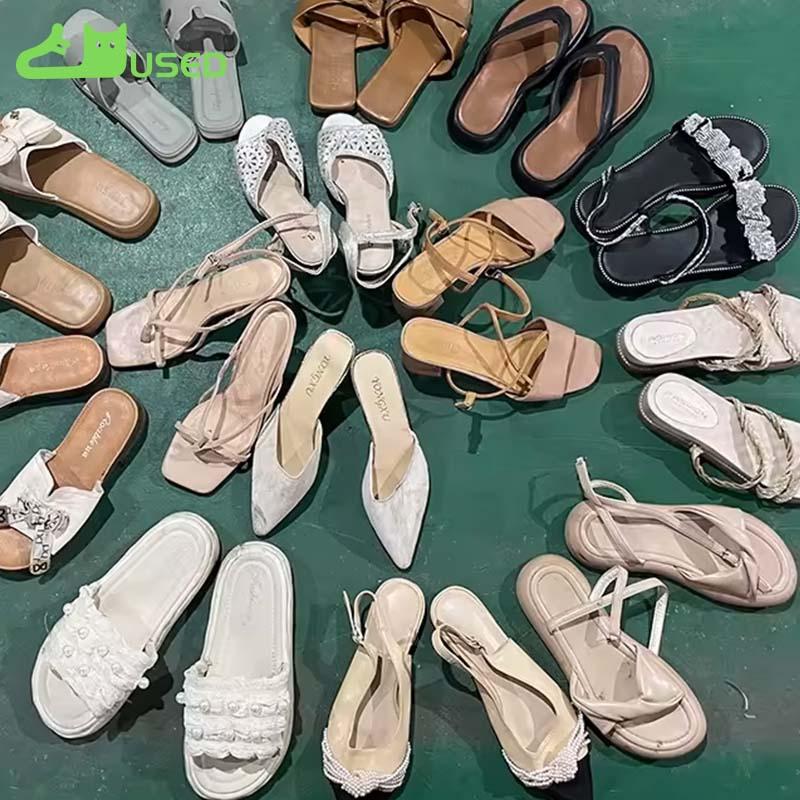
Assign package marks and packing-list lines to category-condition lanes. Record counts, weight basis, package format, protective materials and allowed mixing inside a bale or carton. Photograph closed package marks and loading sequence where agreed.
Packing efficiency should not destroy receiving traceability. If several lanes share a package, the list must still show how quantities were assigned. Unapproved substitutions or merged holds should trigger correction before shipment release.
unique package reference
lane count and weight
approved format
sequence and final state
Allocate goods price, freight and handling using a documented method, then apply expected released yield and preparation burden by lane. Show the assumptions for exact stock and sampled stock separately. Include currency and delivery endpoint.
A low blended price can be expensive when strong categories subsidize weak lanes or held stock is counted as saleable. Stress test category variance, service share and freight. Reduce the order or require better evidence when the outlet plan depends on a narrow favorable case.
lane or documented allocation
released denominator
lane-specific burden
variance and stop point
At receiving, use package marks to reconstruct category, size, condition and work lanes. Reconcile complete pairs, substitutions, damage, wetness, holds and declines with the saved offer and packing list before cleaning.
Record whether each variance came from sampling uncertainty, approved substitution, packing error, damage or unresolved cause. Close supplier discussions and update actual lane economics. Change one online evidence request, tolerance or packing rule for the next order.
same lane definitions
offer versus arrival
supported or unresolved
one next-order control
No. Record whether evidence is exact stock, a representative sample or general capability.
No, unless the contract intentionally includes and separately reports them.
Only if written physical tolerances genuinely apply and the lane distribution remains visible.
Receiving needs package-linked evidence to reconcile substitutions and variance.
Revise one evidence request, mix tolerance, work ceiling or packing rule.
Online mixed-load buying works when the offer can be reconstructed from received stock. The used mixed shoes wholesale category provides the mixed-footwear context; evidence labels, category lanes, physical holds, preparation ceilings, package marks and arrival variance govern this order. Use the page inquiry form to state the intended mix, excluded findings, sample method and packing separation.

Direct Factory Supplier of Used Shoes For African Markets In China
 Tel: +8618606960861
 Email: info@usedshoeswholesale.com
 MP/WhatsApp: +8618606960861
 Manufacturer Address:Cizao Town, Jinjiang City, Quanzhou City, Fujian Province