Author:Used Wholesale Manufacturer TIME:2026-08-13
Cross trainer and everyday shoe shop mix
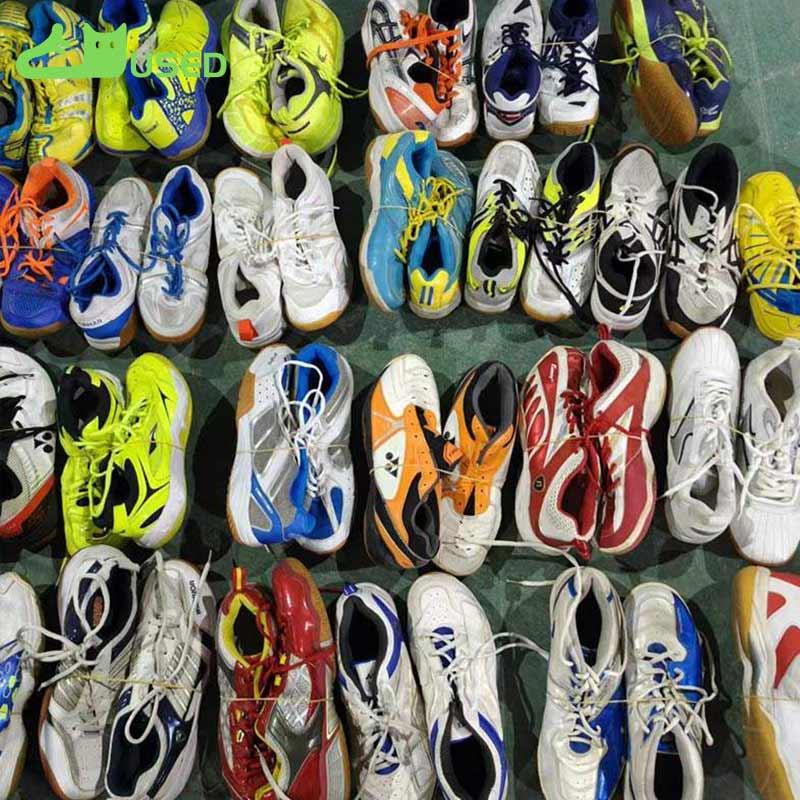
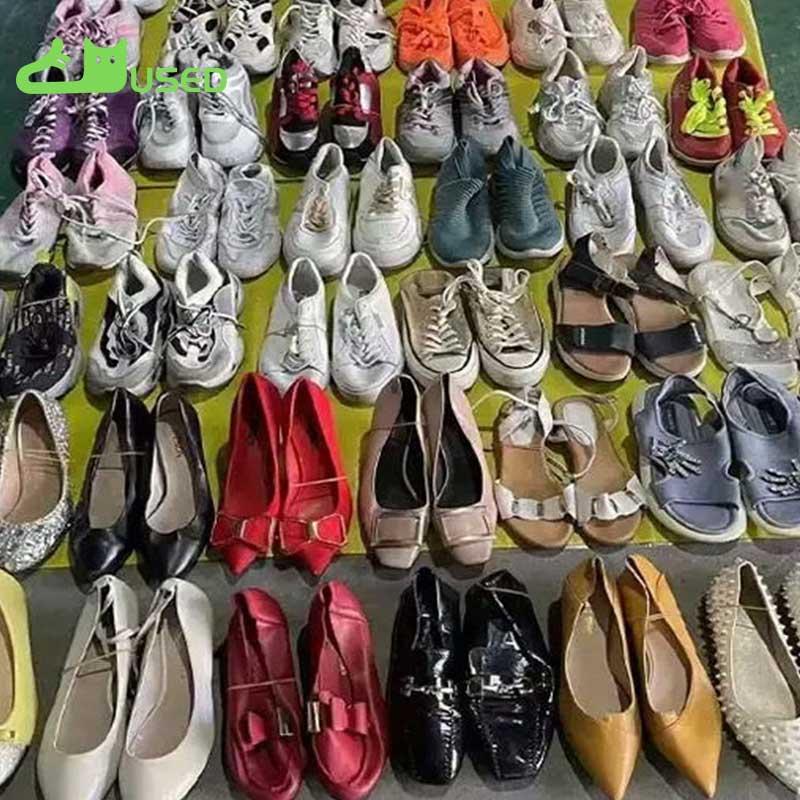
Mixing cross trainer stock with everyday shoes for African shops requires a defined shop, city, price structure and customer use context; there is no single Africa-wide ratio. Cross trainers may carry more visible sole geometry, upper panels and service questions, while everyday shoes may cover different presentation, fit and price jobs. The buyer should use dated local stock and completed outcomes, then translate those records into countable product cohorts, size bands, condition boundaries and capital limits. Supplier samples and packing must use the same language. Search suggestions may reveal terms to investigate, but they do not prove demand volume.
Record the selling channel, location, display capacity, current categories, marked-size bands, price lanes, stock age, completed sales, transfers, markdowns, questions and returns where legitimately available. Separate evidence by shop rather than merging unlike locations.
Convert the records into uncertainties: which size bands are understocked, which trainer forms remain too long, which everyday categories support stable turnover, and which condition defects create returns. Do not claim that one country or continent shares the same mix.
named shop or selling format
category size and age
completed sale transfer markdown return
specific assortment uncertainty
Define cross trainers by observable form, marked size, upper and sole condition, closure, interior, completed work and evidence status. Define everyday shoes by their own physical form and outlet role. Keep outside-scope and uncertain pairs in explicit lanes.
Product names, labels and seller descriptions do not prove authenticity or intended performance. Physical inspection should describe what can be observed. Any performance, safety or identity wording needs appropriate support and a separate review.
observable form and condition
shop-role physical cohort
size condition and evidence status
hold restricted or decline
The map ties each cohort to a local job, capital limit and package-verifiable ratio.
| Mix control | Trainer lane | Everyday lane | Shared guardrail |
|---|---|---|---|
| Definition | Observable trainer form and fields | Defined shop-role form and fields | No unsupported performance claim |
| Size | Local minimum and cap | Local minimum and cap | Accepted complete-pair denominator |
| Burden | Inspection preparation and evidence | Preparation and channel work | Released landed cost |
| Packing | Marked cohort and size | Marked cohort and size | Package-level variance |
| Feedback | Age outcome and return cause | Age outcome and return cause | One next-order revision |
A mixed order is controlled when both lanes remain countable from supplier sample through shop outcome.
A trainer cohort might fill a higher-detail display, online inquiry or tested price lane; an everyday cohort might support a broader basic assortment. These are buyer hypotheses, not universal facts. State the evidence, initial pair count, maximum exposure and review date.
Give every lane an exit: keep, markdown, transfer, bundle, restricted recovery or stop. Do not allow the more attractive trainer cohort to consume workbench and capital capacity needed for faster basic stock without evidence.
defined outlet function
maximum pairs and capital
date and evidence trigger
controlled next route
Calculate released landed cost, inspection and preparation minutes, specialist service, evidence review and selling burden by cohort. Set size-band minimums and caps from local records. Use accepted complete pairs as the ratio denominator.
Show a base and downside mix when sample evidence is limited. Holds and declines must not disappear from the economics. A category with higher price potential can still be a weak allocation when service, stock age or markdown risk is high.
accepted complete pairs
local minimum and cap
landed plus direct work
yield and aging allowance
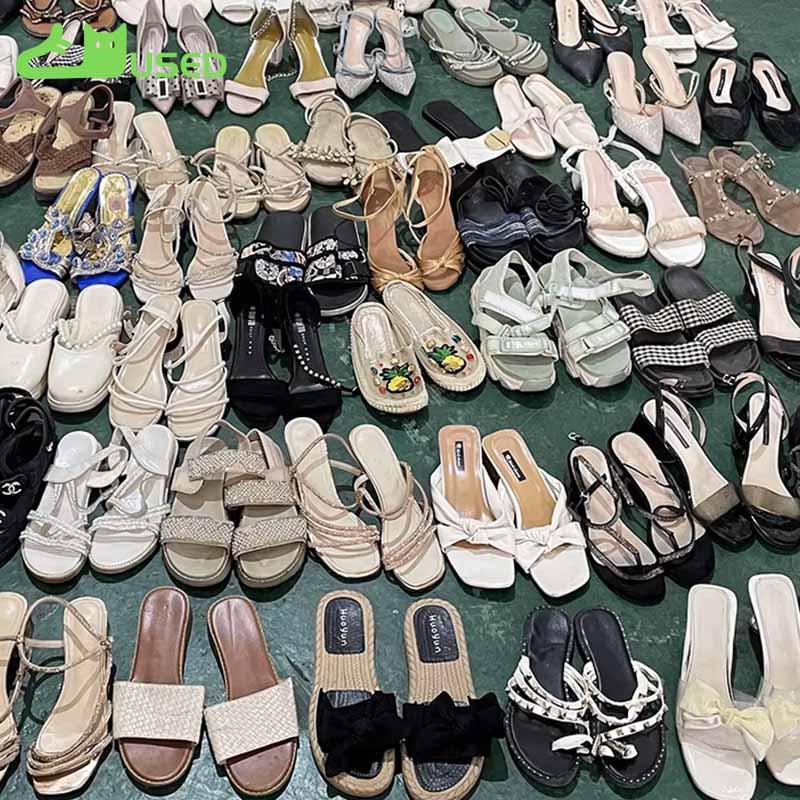
Select packages and positions through an agreed random or stratified method. Count trainer and everyday cohorts, size bands, condition routes, evidence holds, singles and substitutions. Compare the observed range with the buyer's target and tolerance.
Lock accepted categories into package marks, separation, count and weight records. At receiving, repeat the cohort and size checks by package. A shipment average should not hide one package filled with weak or outside-scope stock.
package position and denominator
target versus observed range
cohort size and route marks
package-level replay

After release, compare actual mix, days held, markdown, customer questions, returns and contribution after direct work by shop and cohort. Separate size, condition, price, fit, service and fulfillment causes.
Change one trainer cap, everyday minimum, size band, condition tolerance, service ceiling or review date. Keep the same cohort definitions on the next cycle so the result can be compared rather than explained away with new labels.
released shop mix
age markdown return
controlled cohort code
one measurable change
No. Define the shop, location, channel and dated local evidence.
No. Limit wording to supported claims and observable condition.
Use accepted complete pairs and show holds and declines separately.
Apply the same cohort and size rules used by the shop plan.
Use actual stock age, markdown, returns, contribution and work burden.
A cross trainer and everyday shoe mix should reflect one defined shop, not a continental assumption. The used sneakers wholesale category provides the sneaker context; local records, countable cohorts, size and capital limits, package controls and shop-level outcomes govern the ratio. Use the page inquiry form to request current sample counts, size bands, grade fields and packing separation.

Direct Factory Supplier of Used Shoes For African Markets In China
 Tel: +8618606960861
 Email: info@usedshoeswholesale.com
 MP/WhatsApp: +8618606960861
 Manufacturer Address:Cizao Town, Jinjiang City, Quanzhou City, Fujian Province