Author:Used Wholesale Manufacturer TIME:2026-08-13
Designer resale value case file
Brand recognition is only one input in a designer-shoe resale decision. The buyer still needs to prove which claim evidence belongs to the exact pair, document physical condition, estimate reversible and irreversible service work, and test whether a named outlet will accept the resulting disclosure and price. A premium grade that blends these questions hides uncertainty. A better approach is a valuation case file with four independent statuses: offered-stock identity, claim support, physical release and commercial route. No logo, accessory, seller statement, asking price or clean appearance should automatically establish authenticity or resale value.
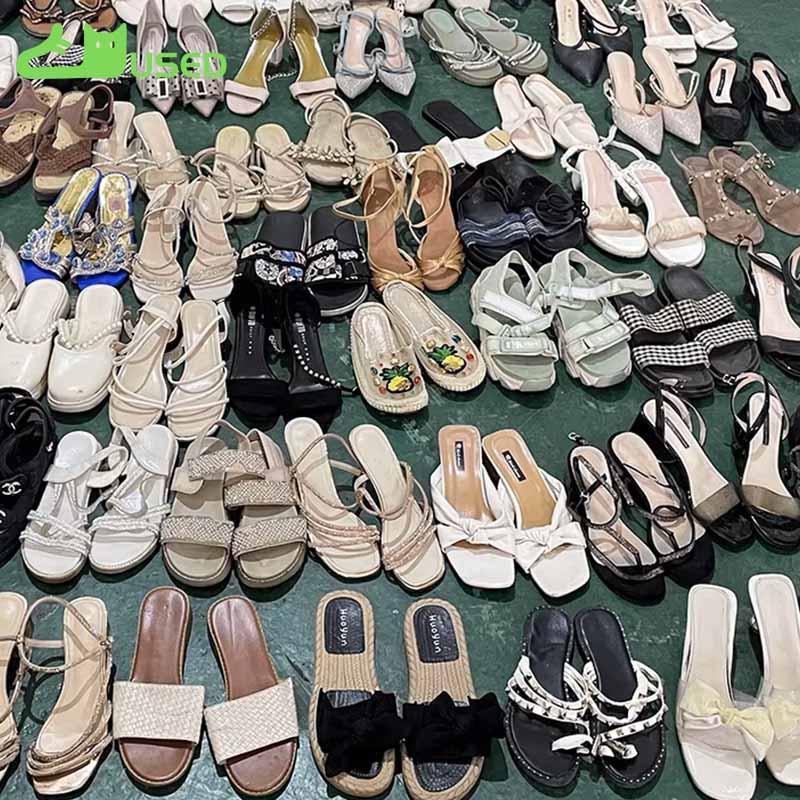
Give each pair and package a reference. Capture both shoes, marked size, color, visible style information, included accessories, seller stock location and date. State whether the evidence shows exact stock, a representative sample or only general capability.
A showcase image cannot prove quantity, ownership or final allocation. Require an approved substitution record when the offered pair changes, and prevent documents from following a replacement pair without a new subject check.
pair package and date
exact sample or capability
present missing or unrelated
substitution approval trail
For each receipt, invoice, label image, packaging item, style reference, inspection opinion or seller statement, record source, date, subject pair, chain and original-or-copy status. Hash original files where practical and keep reviewer notes.
Mark each claim supported, limited, unresolved or rejected for the intended transaction. Qualified specialist review may be required. Do not let strong physical condition substitute for missing provenance, and do not let a document override contradictions on the pair.
issuer date and file status
exact pair relationship
scope and limitation
supported limited open rejected
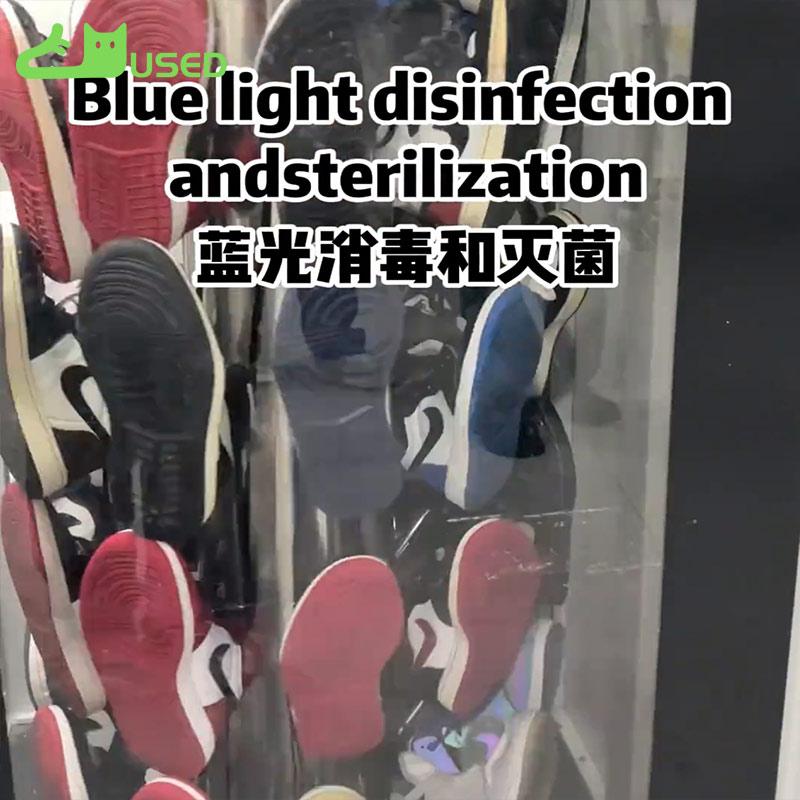
Inspect mate consistency, upper finish, cuts, seams, shape, hardware, heel or platform geometry, sole wear, edges, lining, insole, residue and prior repair. Use paired views under consistent light and define observable stop rules.
Assign ready, service, restricted, physical hold or decline. The grade does not authenticate the pair. Record which defects affect presentation, which create service uncertainty and which prevent release; avoid unsupported strength, comfort or remaining-life claims.
finish marks shape and detail
heel sole junction and seams
lining insole residue and wear
physical status only
The file shows which evidence supports value and where uncertainty still requires a cap.
| Case layer | Record | Decision | Value boundary |
|---|---|---|---|
| Stock identity | Exact pair package date and accessories | Open or reject case | No showcase-to-stock assumption |
| Claim support | Source subject chain and reviewer limit | Supported limited open rejected | No automatic authentication |
| Condition | Upper detail heel sole interior and repair | Ready service restrict hold decline | Grade is not claim proof |
| Service | Task provider parts cost and recheck | Release disclose or stop | No original-condition claim |
| Commercial | Released cost outlet requirement age and exit | Allocate cap hold or decline | Asking price is not evidence |
A defensible premium route requires compatible claim, condition and outlet records, not one blended score.
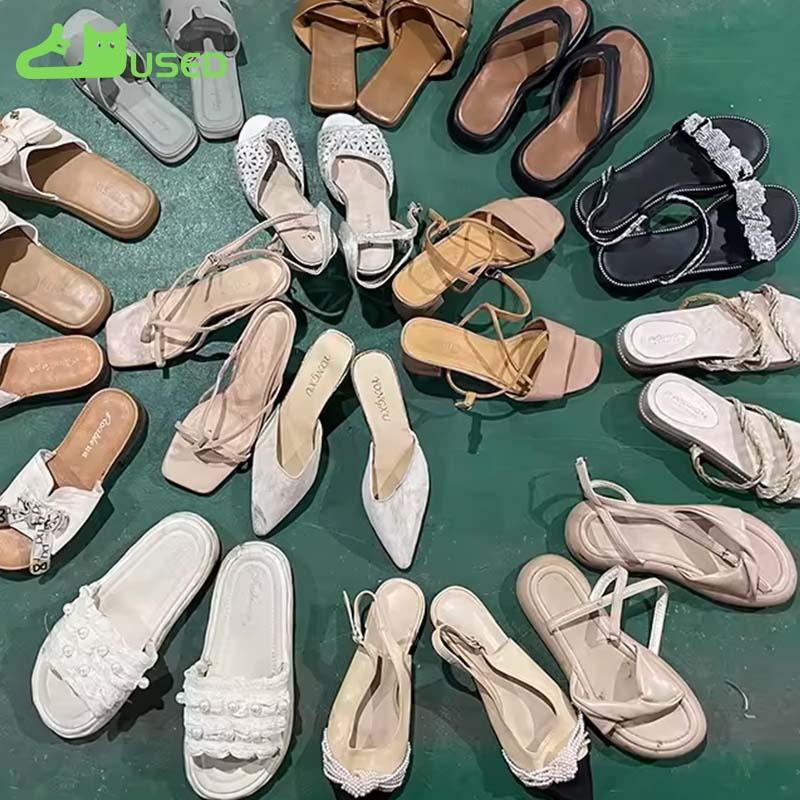
Authorize one task at a time with provider, material basis, parts, cost, deadline and reinspection. Preserve before-and-after images and disclose refinishing, replaced parts or material changes. Service does not restore original condition or prove authenticity.
Calculate released landed cost plus evidence review, service, individual photography, listing, storage, insurance where used and return burden. Establish a stop price and a maximum hold period. Keep declined and evidence-held pairs in the downside case.
defined work and provider
pair identity through service
released pair plus dossier burden
price time or evidence ceiling
Ask a consignment-style boutique, curated online channel or other intended outlet to define evidence, condition, disclosure, price and return requirements. Record a dated bid, acceptance range or reason for refusal where legitimately available.
Create commercial routes such as supported-and-ready, limited-wording-and-ready, serviced-with-disclosure, evidence hold and decline. Asking prices and social interest are not completed outcomes. Cap exposure when the outlet evidence is thin.
named channel and requirements
permitted claim and disclosure
bid fees returns and age
pairs money and review date
Match each received pair, package and accessory to the approved reference before preparation. Record substitutions, missing items, damage, claim-evidence changes and selected physical fields. Hold the affected pair when a material field differs.
Restore the last supported wording or route when evidence weakens. After the lot, change one stock-proof view, evidence requirement, repair ceiling, outlet cap or packing rule. Keep the original case file so the change remains auditable.
pair package accessory and file
claim condition or allocation change
last supported status
one next-lot control
No. Record their source and exact relation as one limited evidence item.
No. Run a separate physical inspection and release route.
No. It may change disclosure and requires a fresh review.
No. Use released cost and dated condition-matched outlet evidence where available.
Hold the pair and restore the last supported wording or route.
Designer resale value is defensible only when the exact pair, supported claims, physical route and outlet economics agree. The used brand shoes wholesale category provides the relevant branded-footwear context; case-file evidence, service-chain records and rollback wording govern the wholesale decision. Use the page inquiry form to request current pair views, evidence status, condition fields and packing references.

Direct Factory Supplier of Used Shoes For African Markets In China
 Tel: +8618606960861
 Email: info@usedshoeswholesale.com
 MP/WhatsApp: +8618606960861
 Manufacturer Address:Cizao Town, Jinjiang City, Quanzhou City, Fujian Province