Author:Used Wholesale Manufacturer TIME:2026-09-11
Adidas code and construction reconciliation
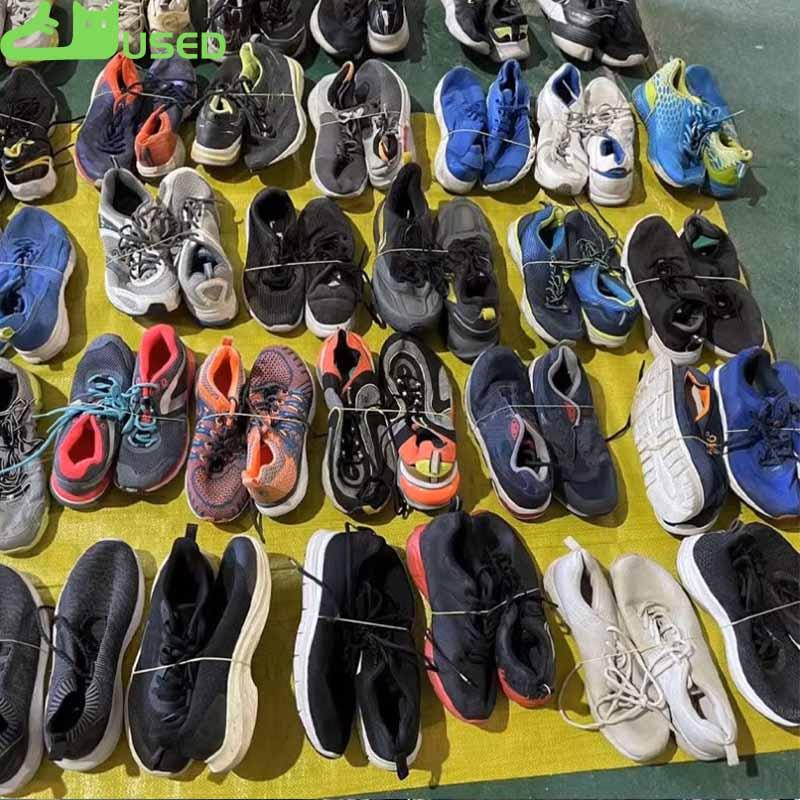
Used Adidas shoes for sale require a verification file that connects readable item evidence to the physical pair and then to the packed unit. A product code, size label, visible design, seller statement, or condition grade cannot independently prove identity, authenticity, model history, or remaining performance. The buyer should capture what is legible, compare mates, describe sole and upper construction without guessing use, and retain unresolved differences as explicit holds. Packing approval follows the released pair list, not a collage of selected labels. This approach also prevents a mixed Adidas offer from being treated as one uniform model or condition.
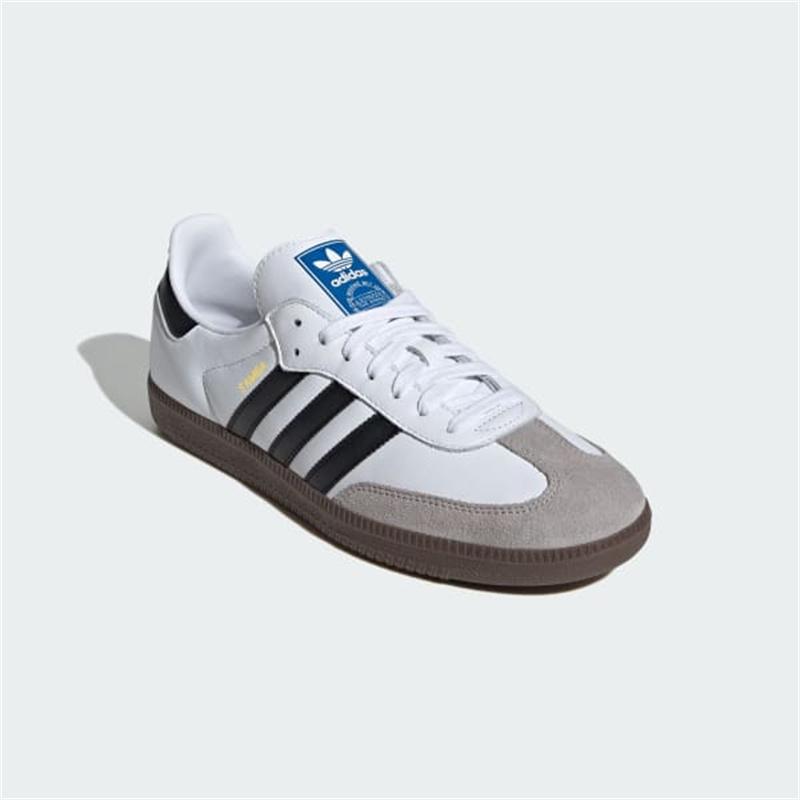
List permitted shoe forms, marked-size bands, condition ceiling, preparation rules, excluded defects, acceptable unresolved-evidence route, selling unit, and packing method. State whether the offer is model-specific, construction-specific, or a mixed Adidas lot.
Do not let a broad brand description absorb substitutions. If running-styled, court-shaped, higher-collar, casual, or other constructions have different value, name them before the sample is selected. The supplier response should show current counts or bounded ranges for the same fields.
permitted visible construction
readable marked bands
written physical reasons
pair bale carton and weight
Assign a pair reference and photograph both complete shoes, both size areas, readable product-code or article-code fields, country or material marks where present, and any conflicting or damaged label. Record the exact visible characters instead of filling gaps from a similar pair.
A matching code can support reconciliation but does not replace broader identity review. A missing or conflicting code should not automatically become a counterfeit claim or a condition failure. Route it to the buyer's approved evidence status and limit wording until the review closes.
one retained identity
both sides recorded
visible characters only
supported limited or hold
The table prevents readable marks, visible construction, grade, and package status from collapsing into one assumption.
| Record layer | Evidence captured | Possible result | Do not infer |
|---|---|---|---|
| Offer | Permitted forms sizes grade and unit | In scope or exclude | No silent substitution |
| Item | Pair code and readable mate marks | Supported limited hold | No filled label gaps |
| Physical | Upper sole wear and joins | Ready work restrict decline | No performance claim |
| Exception | Reason owner next evidence deadline | Close or hold | No hidden rematch |
| Package | Released list matrix code count weight | Approve or reopen | No selected-photo shortcut |
Packing is ready only when every counted pair can be traced from item record through physical decision to a coded unit.
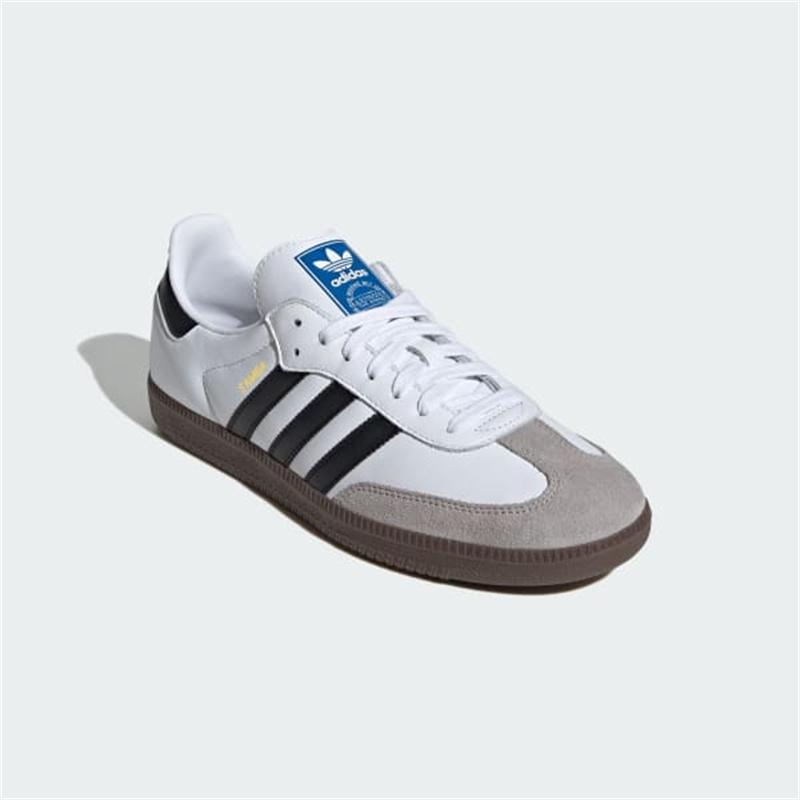
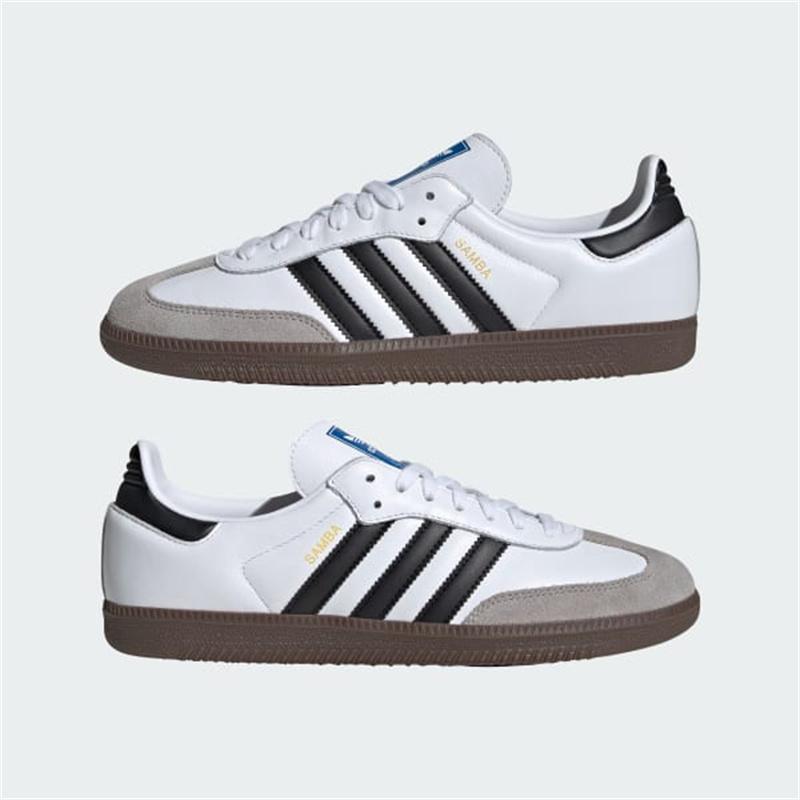
Describe collar height, closure, upper panels, toe shape, heel structure, midsole profile, outsole segments, flex zones, and visible attachments. Compare mates for asymmetry and confirm that the physical construction attached to the pair code is internally consistent.
Then inspect sole edge, tread wear, upper joins, closures, lining, insole, odor, and repairs. Keep condition and identity columns separate. A well-worn but fully reconciled pair and a clean unresolved pair require different decisions; neither should disappear inside one Grade A average.
panels closure and heel
profile segments and wear
construction consistency
physical result only
Use reason codes for unreadable marks, mate mismatch, code conflict, size conflict, visible construction difference, structural failure, preparation work, or unsupported wording. Assign each issue an owner, next evidence, deadline, and allowed result.
Do not rematch shoes or overwrite records without preserving the source trail. A resolved rematch should show the original item references and the reason it was accepted. Open exceptions remain outside released inventory and cannot be counted in the package size curve.
specific discrepancy
review authority
next required record
release restrict hold decline
Generate the approved inventory from pair codes whose physical grade and evidence status are closed for the intended wording. Cross-tab marked size, visible construction, condition route, and package assignment. Keep holds physically separated.
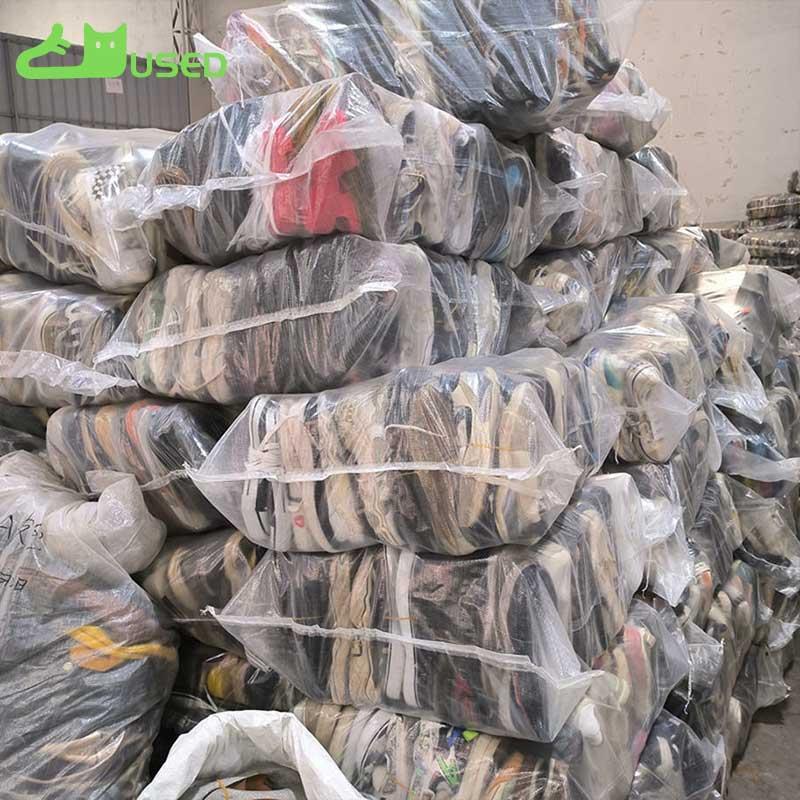
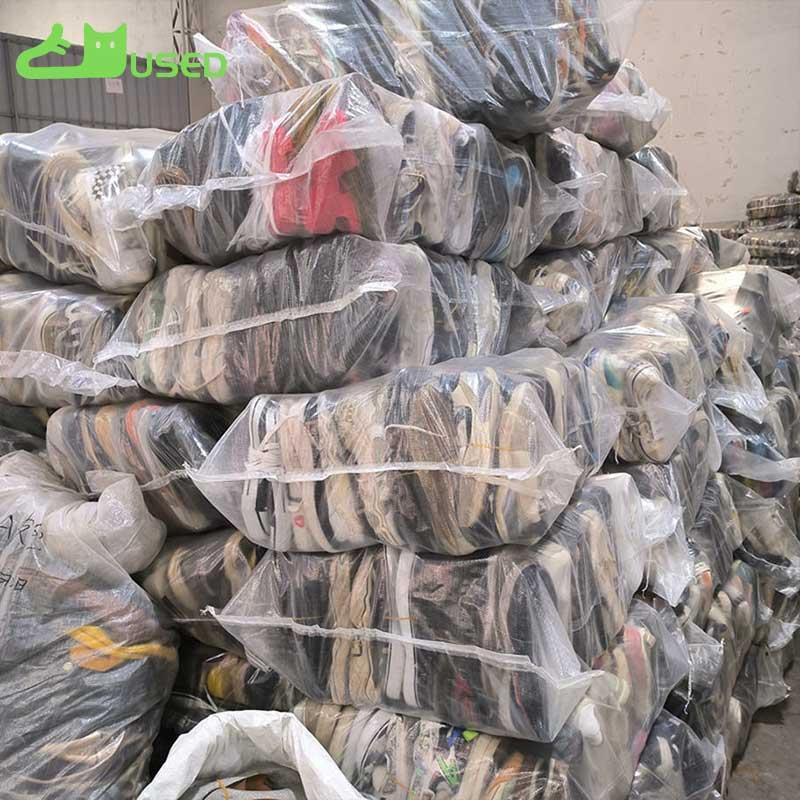
Each bale or carton record should state released pair count, gross weight, construction-size summary, item-code range or linked list, holds excluded, and packing time. Preserve mates, protect shaped uppers, and prevent dirty outsole transfer. Reopen a reference package and reconcile it to the digital list.
released pair codes
size construction and grade
code count weight and time
record-to-goods match
Select coded units and compare package identity, complete pair count, readable marks, construction cells, physical condition, and holds against source records. Keep receiving observations distinct from source observations and record the date, sample method, and package positions.
When variance appears, expand inspection according to the written rule and isolate affected goods. Reconcile released yield and direct work before repricing. The next order should change a specific sample rule, exception ceiling, package field, or construction mix from the documented variance.
coded positions
source and arrival fields
reason and affected scope
one controlled revision
No. It is one item-linked field within the approved evidence process.
Not automatically. Keep condition and evidence status separate, then limit the release wording.
Only after recorded size, construction, color, material appearance, wear, and evidence fields meet the written rule.
Only complete pairs with closed physical and evidence routes for the intended sale description.
Package identity, pair count, marks, construction cells, condition reasons, and the documented sample method.
A wholesale Adidas lot is defensible when every released pair has a readable evidence status, observable construction record, physical grade, and package identity. The used Adidas shoes category provides the product reference; current item files, exception routes, released matrices, and arrival comparison govern approval. Use the page inquiry form to request current pair views, readable marks, construction counts, and coded packing records.

Direct Factory Supplier of Used Shoes For African Markets In China
 Tel: +8618606960861
 Email: info@usedshoeswholesale.com
 MP/WhatsApp: +8618606960861
 Manufacturer Address:Cizao Town, Jinjiang City, Quanzhou City, Fujian Province