Author:Used Wholesale Manufacturer TIME:2026-09-13
UGG slipper lining and outsole routes
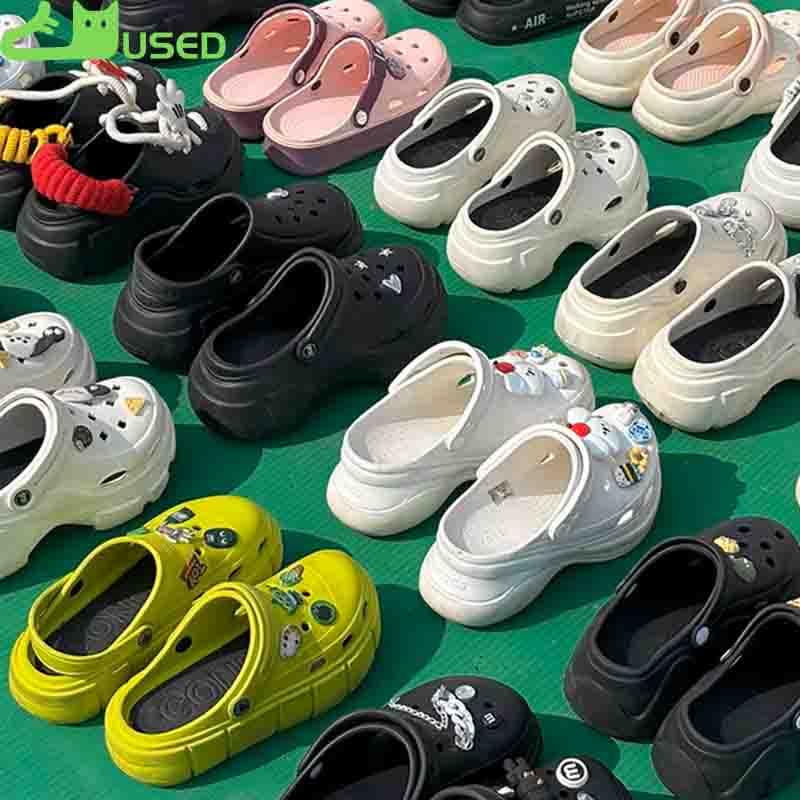
Used UGG slippers for sale need a different intake record from taller boots and ordinary hard-soled shoes. Open-back, low-collar, mule-like, moccasin-shaped, and other slipper forms can carry different lining exposure, heel shape, outsole contamination, closure, and packing needs. A soft appearance or familiar silhouette does not prove material composition, authenticity, hygiene, indoor-only history, warmth, comfort, or future service. Buyers should name the physical form, inspect lining compression and interior condition, describe outsole exposure, limit cleaning claims to the documented process, and price only the pairs released to a clear resale lane.
Record collar height, heel coverage, opening, upper construction, lining extent, closure if any, outsole type, marked size, and pair completeness. Use the actual shape rather than treating every UGG-related item as the same winter boot or indoor slipper.
Write the permitted form lanes for the order and state how hybrids are handled. Keep product-identity evidence outside physical grade. A seller description or silhouette can guide the review but cannot close authenticity or material claims.
open closed or partial heel
low or higher form
location and visible extent
construction and exposure
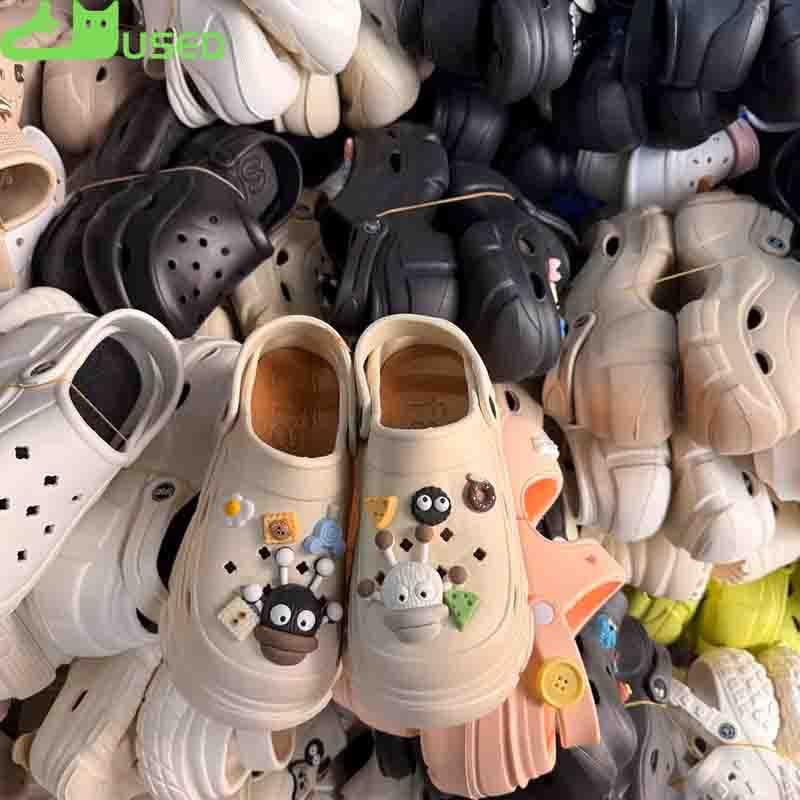
Use consistent light and show toe box, sides, heel area, insole or footbed, seams, and both mates. Record compressed zones, thinning, matting, loose material, discoloration, residue, odor observations, moisture signs, and repairs without guessing the cause.
Compression is not automatically a structural failure, but severe mate variance, open seams, persistent moisture, strong unresolved odor, or material loss may change the lane. Define ready, preparation, restricted, evidence-hold, and decline reasons before the sample is reviewed.
toe side heel and footbed
compression abrasion residue
left-right difference
written route code
Photograph the full outsole, edges, heel, forefoot, and contact pattern. Record dirt transfer, abrasion, smoothing, embedded material, cracking, separation, and mate imbalance. Inspect the upper-to-sole join and the heel shape at the same time.
An outsole that looks clean does not prove indoor-only history, hygiene, traction, or safe use. Describe only observable condition and the documented preparation process. If the intended channel requires indoor-only wording that cannot be supported, use a more limited description or hold the claim.
full outsole view
bond and cracking
soil and embedded material
supported physical description
The table joins physical form, interior observations, outsole evidence, preparation, and release wording.
| Route field | Evidence | Decision | Boundary |
|---|---|---|---|
| Form | Opening collar heel lining and outsole | Slipper boot hybrid or exclude | No silhouette shortcut |
| Lining | Compression abrasion residue moisture odor | Ready work restrict hold decline | No cause guess |
| Outsole | Contact wear transfer edge and mate balance | Release or downgrade | No indoor-history claim |
| Process | Method ceiling and recheck | Close or stop work | No hygiene guarantee |
| Packing | Shape protection separation code and count | Approve or reopen | No mixed hold stock |
A released slipper lane is a physical and documented route, not a broad promise about material, hygiene, or prior use.
List permitted brushing, surface cleaning, deodorizing, drying, lint removal, insole work, or other approved preparation. State the method, maximum labor or material cost, drying conditions, and reinspection fields. Do not improvise heat or chemical treatment on uncertain materials.
Process records can say what was done and what was observed afterward; they cannot guarantee sterilization, permanent odor removal, material restoration, or future comfort. Pairs that remain outside the written ceiling move to a restricted, claim, clearance, or decline route.
approved bounded work
time material and cost
same lining and outsole fields
no hygiene guarantee
Allocate product cost, freight, inspection, form sorting, lining work, drying, outsole cleaning, evidence review, shape protection, storage, markdown, and return burden to the affected route. Count only complete released pairs in the denominator.
Compare condition-matched completed outcomes from the intended channel where available. Keep boots, low slippers, and uncertain hybrids in separate cells. A small photo-ready group should not hide the cost of compressed, contaminated, unresolved, or slow stock.
closed form and condition
within preparation ceiling
limited supported wording
hold decline and slow route
Keep mates together, support low heel shapes, avoid crushing lined openings, isolate dirty outsoles from exposed interiors, and confirm adequate dryness before packing. Label units with form cells, released pair counts, marked-size summary, holds excluded, gross weight, and packing time.
At receiving, reopen coded units and compare shape recovery, interior dryness, odor observations, lining compression, outsole transfer, pair count, and marked sizes with source records. Use package-linked variance to revise one protection, drying, inspection, or form-mix control.
heel opening and lining
outsole from interior
form size count and holds
arrival fields by package
No. It is an observable condition field, not a history certificate.
No. Apply the written zone, mate-variance, structure, and channel rules.
No. State the documented process and observed result without an unsupported guarantee.
Form, lining exposure, heel shape, outsole route, preparation, and packing burden can differ.
Package identity, pair count, dryness, shape, lining zones, outsole transfer, and marked-size variance.
Used UGG slipper buying works when form, lining, outsole exposure, process limits, and packing are recorded as separate controls. The used slippers wholesale category provides the product context; released-pair yield, supported wording, shape protection, and package-linked arrival checks govern the order. Use the page inquiry form to request current interior views, outsole records, form-size counts, and packing specifications.

Direct Factory Supplier of Used Shoes For African Markets In China
 Tel: +8618606960861
 Email: info@usedshoeswholesale.com
 MP/WhatsApp: +8618606960861
 Manufacturer Address:Cizao Town, Jinjiang City, Quanzhou City, Fujian Province