Author:Used Wholesale Manufacturer TIME:2026-11-09
A successful delivery of used mens shoes can leave a buyer with an awkward second request: "Send the same again." The earlier shoes may have suited the shop, but that sentence does not explain whether the buyer needs the same recognizable designs, similar-looking sneakers, or another assortment with the same written limits. Resolve that distinction before treating an old photograph as an instruction for the next container.
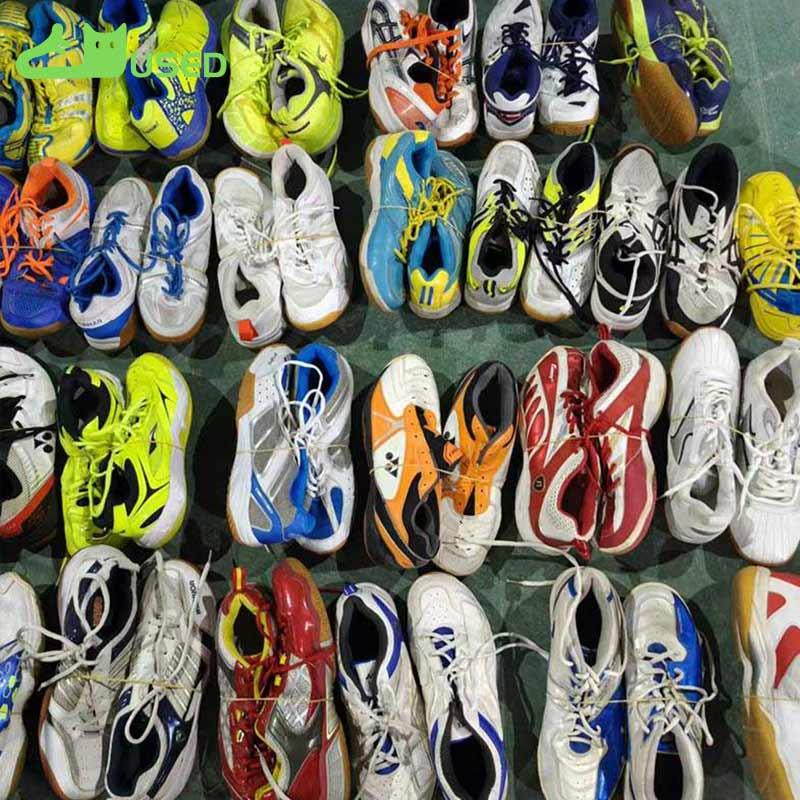
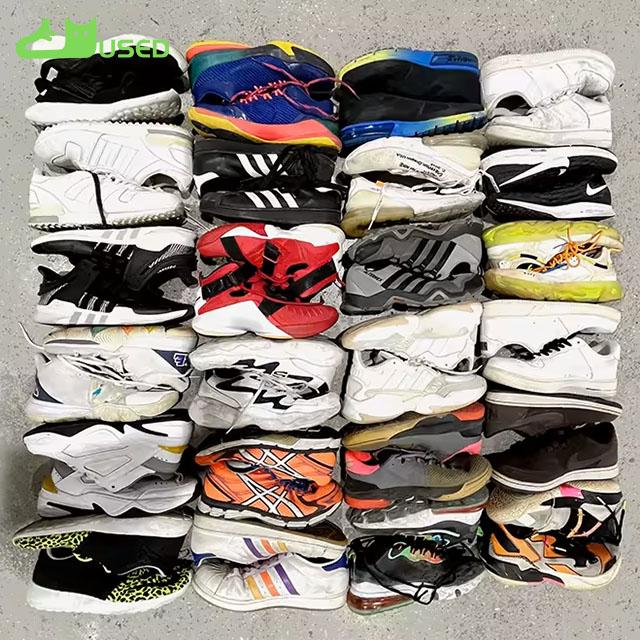
Start with what actually arrived, rather than the most attractive image saved during the earlier inquiry. A catalogue view, the supplier's proposed selection and the buyer's received stock are different references. Label them accordingly. If the reason for repeating the purchase came from a particular group of received sneakers, identify that group in the receiving record before attaching its photograph.
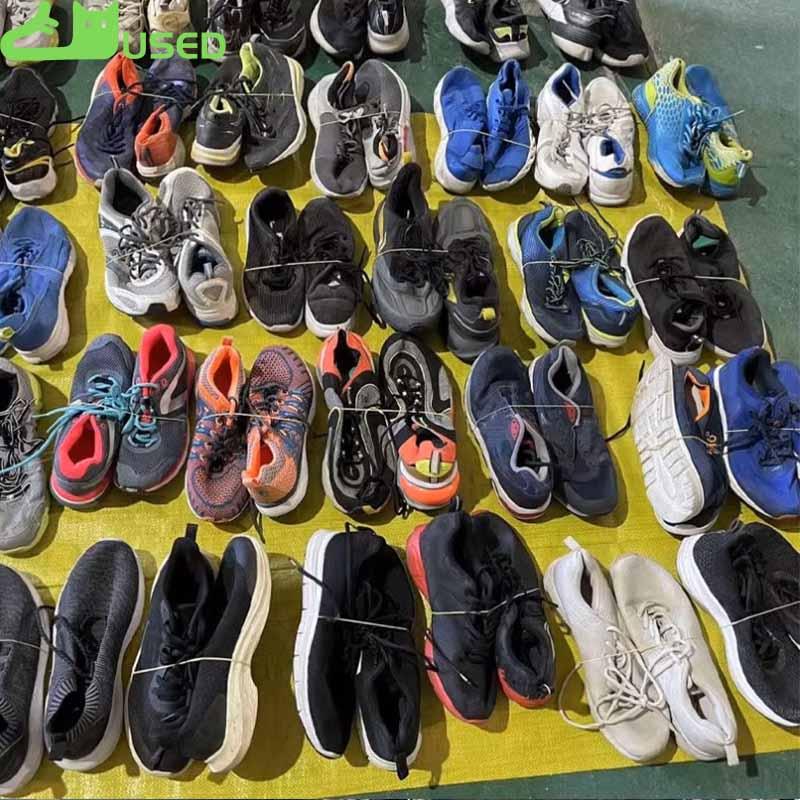
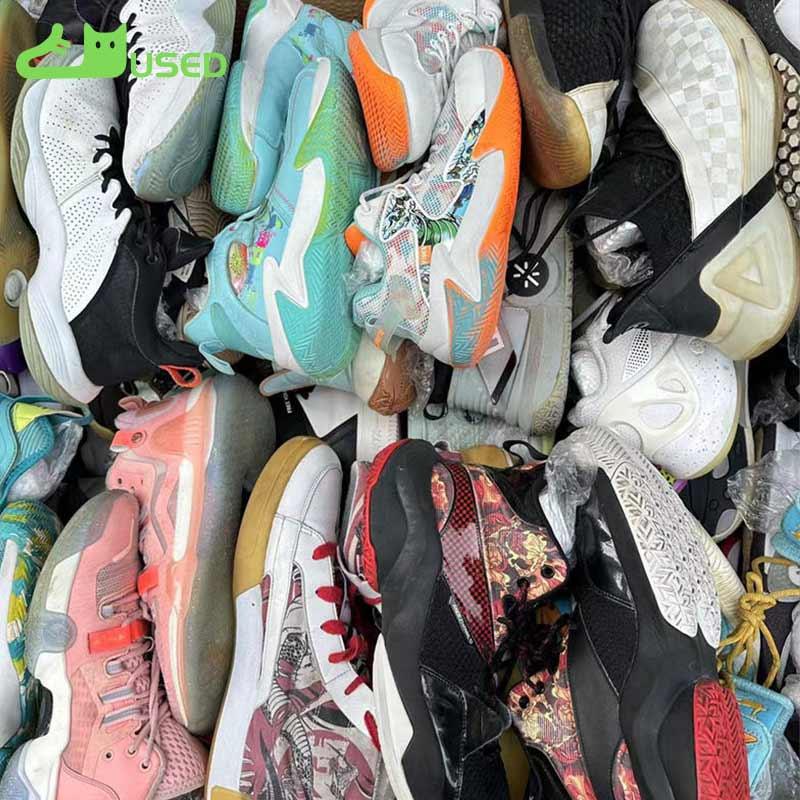
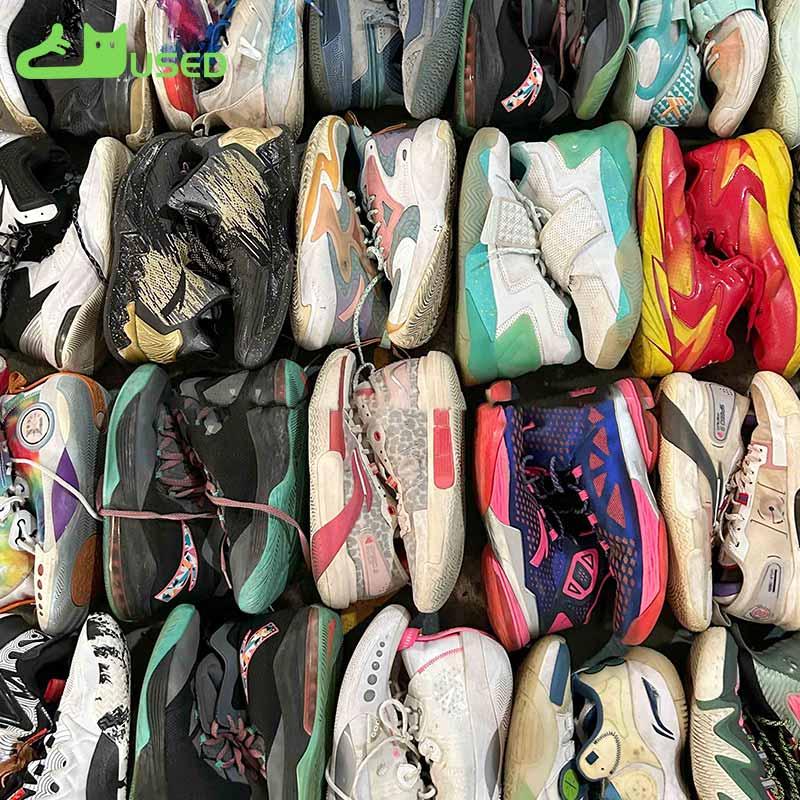
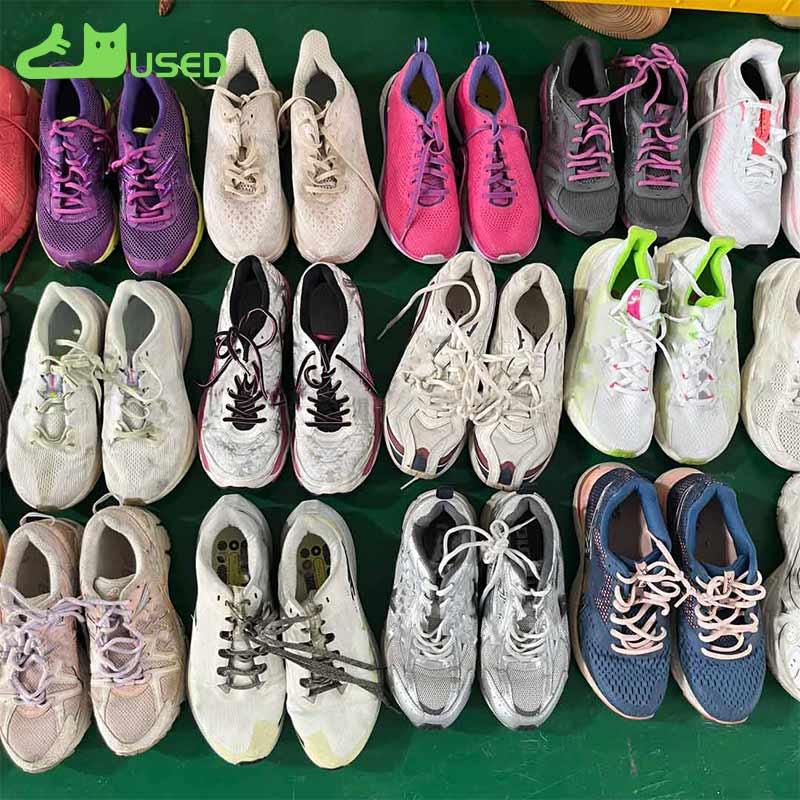
The site's men's fashion sneaker listing describes an assortment, not a catalogue of individually replenishable designs. Its separate men's sports-shoe listing also covers varied stock. Returning to the same page therefore identifies a sourcing direction; it does not establish that the pictured pairs, their colors or their marked sizes remain available.
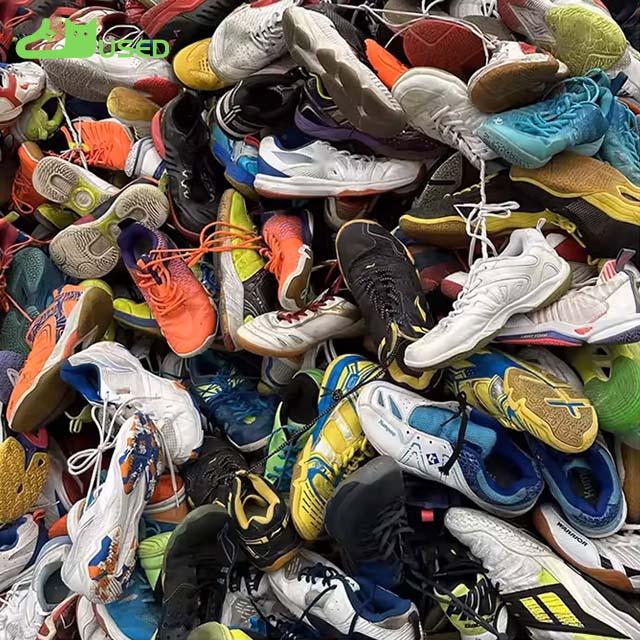
Choose the meaning separately for any genuinely essential feature. A buyer may accept changing colors but depend on a particular shape for an established display. Another may accept visual variety but need specified marked-size coverage. Writing those priorities is more useful than asking a supplier to decide what "same" meant after the earlier stock has gone.
Use the earlier delivery as a reference, then state the property that should survive into the next one. Do not turn an observation into a guarantee. The following examples show ways a buyer could clarify a request; they are not records of an order or claims about current inventory.
| Old reference | Question to resolve | Useful next-order wording |
|---|---|---|
| A photograph of a favored pair | Must the recognizable design recur? | Identify this style if available; show the proposed pairs before treating the request as met. |
| A group with mostly quiet color contrasts | Is contrast important, or the exact colors? | State the permitted contrast and color boundaries instead of requesting the photograph again. |
| Several different sneakers served the same shelf | Was the useful feature variety or consistency? | Describe what may vary and what the next selection must retain. |
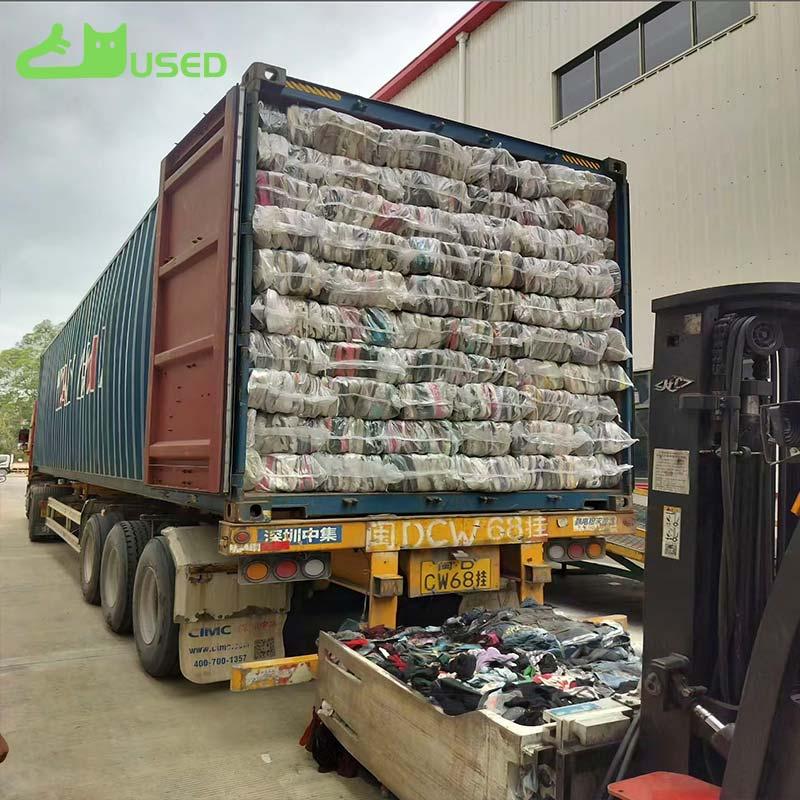
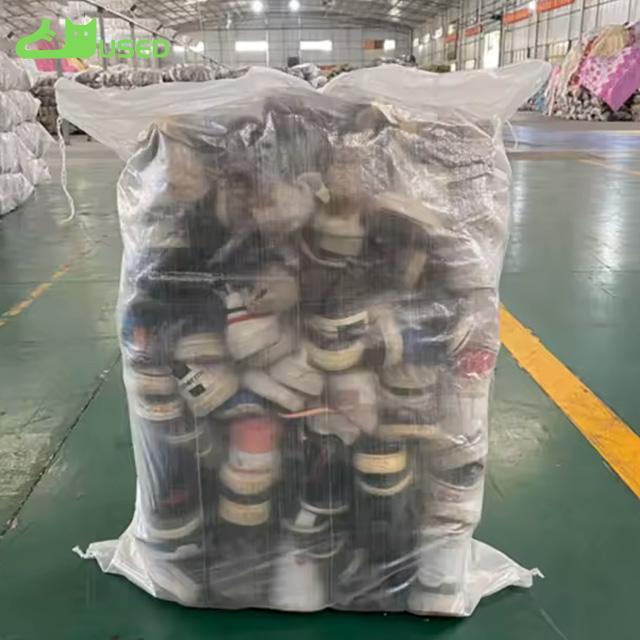
| A packed unit from the earlier receipt | Is the reference about contents or presentation? | Keep the packing reference separate from the description of the shoes inside. |
A short list of essentials should also say what is merely preferred. Otherwise every detail in the reference image can become an accidental requirement, including a background shoe that was never the reason for the repeat purchase. Remove irrelevant images and identify the intended subject in the accompanying note.
A familiar-looking sneaker in a different marked size does not fill the same inventory gap. Record the size system and required markings alongside the appearance reference. Keep the marks actually shown on the proposed shoes rather than assigning a size because the outline resembles something received before. Matching size text is also not a promise of identical fit.
Condition needs the same independence. A request for the earlier look does not authorize a different wear standard, nor does a broad grade word establish that two deliveries will look equally worn. Carry forward the specific condition limits the buyer intends to retain. Ask about any conflict between those limits and the desired appearance instead of quietly treating one requirement as compensation for another.
For a mixed order, the result can be a repeatable description even when the individual designs change. That is different from a repeatable product model. Keep that difference visible when discussing the next men's shoe assortment with the supplier.
Keep the earlier receiving reference and the new offer in separate dated records. If the supplier can only propose a different visual family, retain that reply as a new proposal. Do not replace the earlier photograph and leave the old note saying that the same selection was supplied. Later staff should be able to see what the buyer originally meant and what was eventually considered.
The current site works with container purchases starting at one 20GP, not individual-pair retail orders. Adding an earlier product reference to an inquiry does not reserve its stock. Before making plans that depend on an exact repeat, obtain a current response to that specific requirement and decide whether an unfilled requirement prevents the purchase.
No. A mixed-lot page can remain useful while individual stock changes. Treat it as the product-family reference and ask separately about the requested style.
Yes, as a clearly dated reference for appearance. Explain whether it identifies an exact design or illustrates a characteristic; do not present it as current stock.
Describe the appearance boundary and the variations that are acceptable. Avoid asking for an exact match when continuity of selected characteristics is sufficient.
That is a separate purchasing choice, not an automatic part of repeating an order. Keep any proposed change explicit and do not conceal it under the earlier grade description.
Before repeating a men's sneaker purchase, choose what needs to repeat: the recognizable design, a defined appearance family or the written assortment requirements. Attach the relevant earlier reference, state the features that may change, and request current confirmation for the features that cannot. An honest answer that a particular look is unavailable is more useful than a vague promise to send the same again.

Direct Factory Supplier of Used Shoes For African Markets In China
 Tel: +8618606960861
 Email: info@usedshoeswholesale.com
 MP/WhatsApp: +8618606960861
 Manufacturer Address:Cizao Town, Jinjiang City, Quanzhou City, Fujian Province