Author:Used Wholesale Manufacturer TIME:2026-03-29
Second-hand shoe hygiene control
The title asks how to disinfect second-hand shoes, but no single spray, wipe, light or home method can be assumed suitable or effective for every shoe and target. A defensible hygiene process first removes unsuitable inventory, defines the intended treatment claim, follows a compatible validated procedure and records drying and release. It does not promise sterility, medical protection or universal wearer safety.
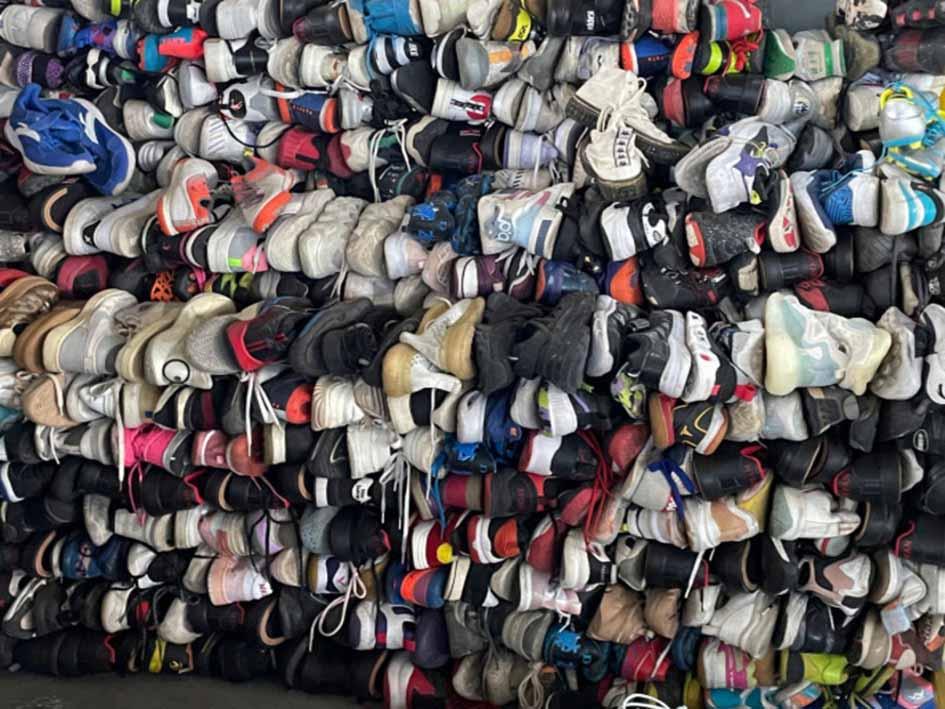
Confirm mates and inspect sole bond, uppers, linings, insoles, moisture, persistent odor, visible contamination, pest evidence and mold-like growth under the operation's written rules. Isolate unknown residue or conditions outside staff training and equipment.
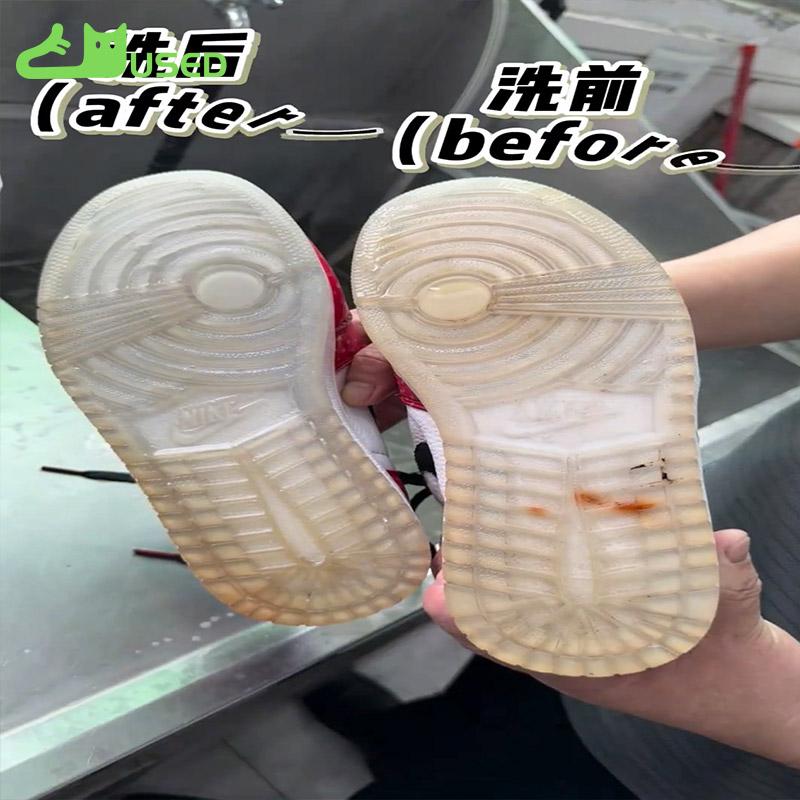
A hygiene process should not be used to rescue structural rejects or hide the starting state. Code the pair and preserve representative evidence before cleaning or treatment.
structure first
contact surfaces
isolate for review
before-and-after identity
The record distinguishes starting condition, process completion and product release.
| Stage | Required evidence | Cannot claim |
|---|---|---|
| Screen | Pair, structure and exclusions | Treatment suitability yet |
| Scope | Named objective and validated route | Universal effectiveness |
| Treat | Approved parameters and operator | Completion after deviation |
| Dry/recheck | Moisture, residue and material state | Physical restoration |
| Release | Coded outcome and wording | Sterility or personal safety |
Claims should never extend beyond the method, target, materials and records actually verified.
Distinguish routine cleaning, odor management, a named disinfection process and specialist remediation. Each requires its own evidence. Avoid using sanitized, disinfected or sterile interchangeably unless the actual validated method supports the precise wording.
The process owner should identify applicable product-label instructions, material scope, target, concentration or device settings, contact conditions, safety precautions and required records. Where regulations or specialist standards apply, confirm them through qualified sources.
soil removal scope
named validated claim
not assumed
qualified process control
Shoes can combine leather, suede, textiles, foam, rubber, coatings, prints, metal and adhesives. Review manufacturer or product instructions where available and validate the proposed process for the construction. An approach suitable for a hard outsole may damage an upper or interior component.
Do not recommend unverified chemical mixtures, uncontrolled alcohol exposure, household heating or UV devices as universal solutions. Stop when color transfer, cracking, softening, deformation, residue or bond change appears.
surface response
bond and material
contact compatibility
adverse change
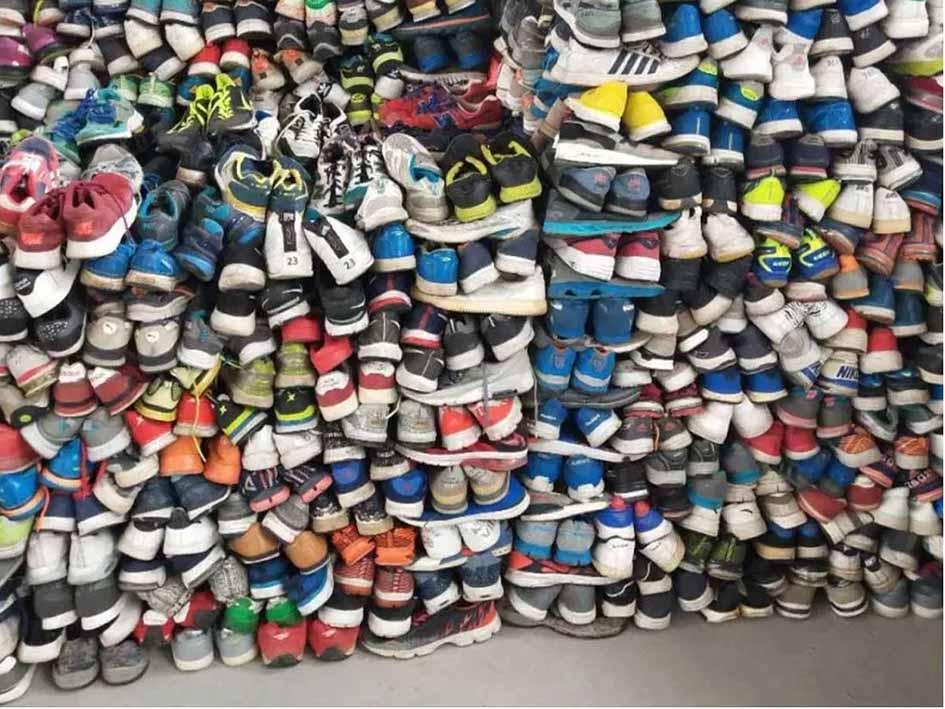
Remove loose soil and follow the material-compatible cleaning route before disinfection where required by the validated method. Soil can interfere with some processes, but the exact preparation depends on the method and target.
Keep dirty tools and zones separate from treated stock. Record removable parts, operator, time and deviations. Components remain attached to the original pair code.
pre-treatment reason
dirty and treated separation
controlled use
components retained
Use only the approved product or device for the documented shoe materials and intended claim. Follow label and process instructions for application, coverage, contact conditions, ventilation, personal protection and removal. Staff should be trained for the actual route.
Record lot or device identity, operator, start and completion, relevant parameters and exceptions. A process deviation triggers hold and review rather than an automatic release.
approved identity
documented condition
trained responsibility
hold route
Complete the specified post-treatment steps and drying before storage or packing. Check interiors, layered materials and removable parts, not only the outer surface. Prevent recontact with untreated inventory.
Reinspect structure, finish, shape, odor, residue and moisture. Record what the process can and cannot claim. A pair can complete a treatment yet remain physically rejected or unsuitable for a particular person.
method requirement
relevant areas checked
material and structure
limited wording
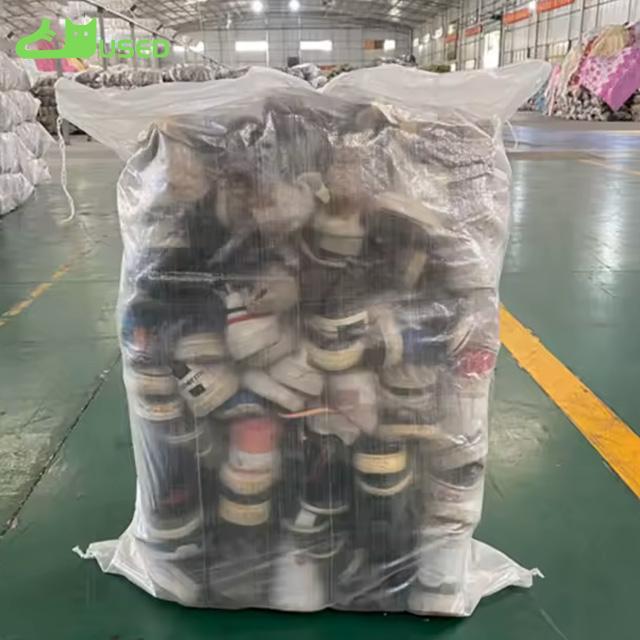
Track screened pairs, physical exclusions, treatment routes, deviations, rework, completed releases and holds by date and operator. Sample records and ordinary finished pairs. Investigate clusters instead of averaging them away.
For an inquiry, request the exact hygiene claim, method scope, material exclusions, drying evidence, unit coding and packing separation. Do not accept a blanket disinfected statement without a process definition and current-lot records.
screened pairs
named method
deviation and hold
limited release
No. The target, product instructions, material compatibility and process evidence all matter.
No. A device requires validated settings, coverage, scope and safety controls.
No. Hygiene processing does not repair sole, upper or support failures.
Only if an appropriate validated process and evidence support that precise claim; do not assume it.
Method scope, exclusions, current records, drying evidence, deviations and coded packing.
A defensible hygiene process is a scoped validated record, not a blanket home remedy. The used shoes wholesale category defines the goods; screening, compatible treatment and limited release define what can be stated.

Direct Factory Supplier of Used Shoes For African Markets In China
 Tel: +8618606960861
 Email: info@usedshoeswholesale.com
 MP/WhatsApp: +8618606960861
 Manufacturer Address:Cizao Town, Jinjiang City, Quanzhou City, Fujian Province