Author:Used Wholesale Manufacturer TIME:2026-08-11
Used leather officewear release
Used Ferragamo shoes wholesale stock should be reviewed as a claim, a physical pair and a preparation job before it becomes officewear inventory. Shine can improve presentation without correcting collapse, heel instability or sole failure. A defensible buyer file records pair identity, leather zone condition, hardware and interior evidence, authorized restoration, accepted-pair cost and the office channel promise without treating brand appearance as authenticity proof.
Capture the seller's exact wording, pair identifiers, marked size, model or style reference, hardware details, provenance documents and original images where available. Label unknowns and conflicts instead of completing them from logos or familiar shapes.
If the resale lane requires stronger claim confidence, define an appropriate specialist review and its scope. Physical condition alone does not authenticate a pair.
seller wording
pair-level identifiers
available provenance
verified, stated or unknown
Place compatible mates on a level reference and review toe shape, vamp creasing, throat or opening, side collapse, counter shape, heel alignment and visible sole distortion. Photograph both sides and rear views.
Separate normal flex evidence from permanent deformation using the written boundary. Hold mismatched or unstable pairs before leather preparation begins.
paired shape
collapse and stretch
rear geometry
alignment and attachment
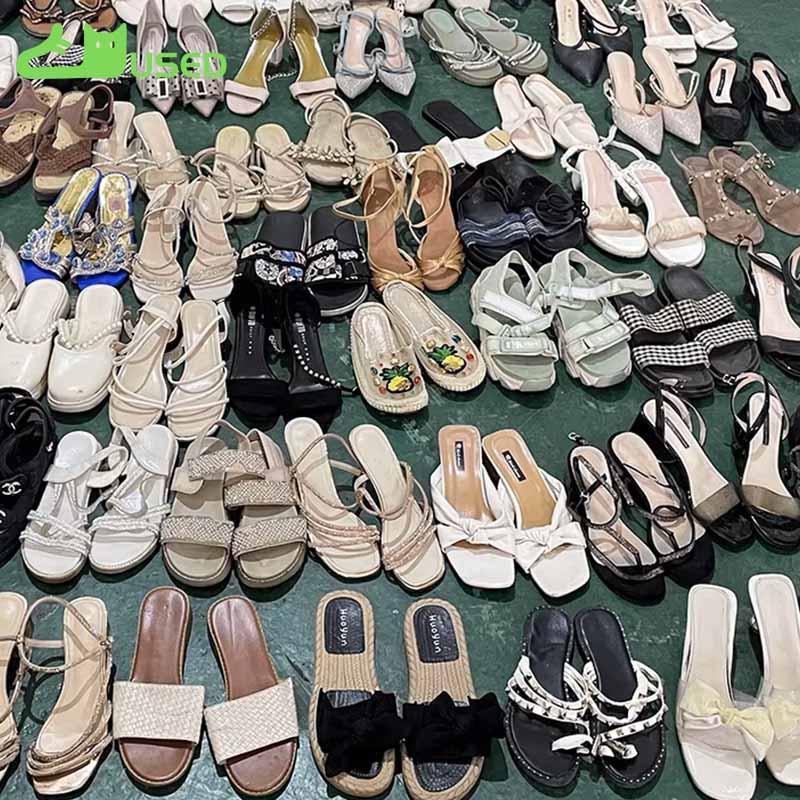
Inspect toe, vamp, quarters, edges and heel covering for dryness, cracking, peeling, cuts, staining, color transfer, deep abrasion, prior coating and adhesive marks. Record material uncertainty where construction is not verified.
Use care or treatment only when compatible with the actual material and finish. A polished surface should not erase the before record or conceal damage outside the officewear lane.
surface and color
crease or crack
scuff and loss
coating or repair evidence
The ledger keeps preparation candidates separate from completed office-ready stock.
| Lane | Required evidence | Cost recorded | Decision |
|---|---|---|---|
| Physical hold | Open geometry or component issue | Review only | No preparation release |
| Presentation work | Material-compatible task | Completed labor and products | Reinspect after work |
| Premium office | Strong claim and condition file | Accepted-pair cost | Controlled high-presentation lane |
| Everyday/value | Physical release and disclosed wear | Work and price ceiling | Defined resale promise |
| Reject | Failed material boundary | Loss and claim record | Exclude from sale |
The officewear decision belongs to the completed pair, not the restoration plan.
Review buckles, ornaments, laces or straps, stitching, sole bond, outsole wear, heel tip, lining, insole, odor, moisture and visible contamination under the written rules. Confirm removable parts stay with the pair.
A decorative component in good condition does not release a failed heel or sole. Use a specialist hold for unresolved structural or higher-value hardware questions.
complete and secure
bond and wear
tip and attachment
lining and contact state
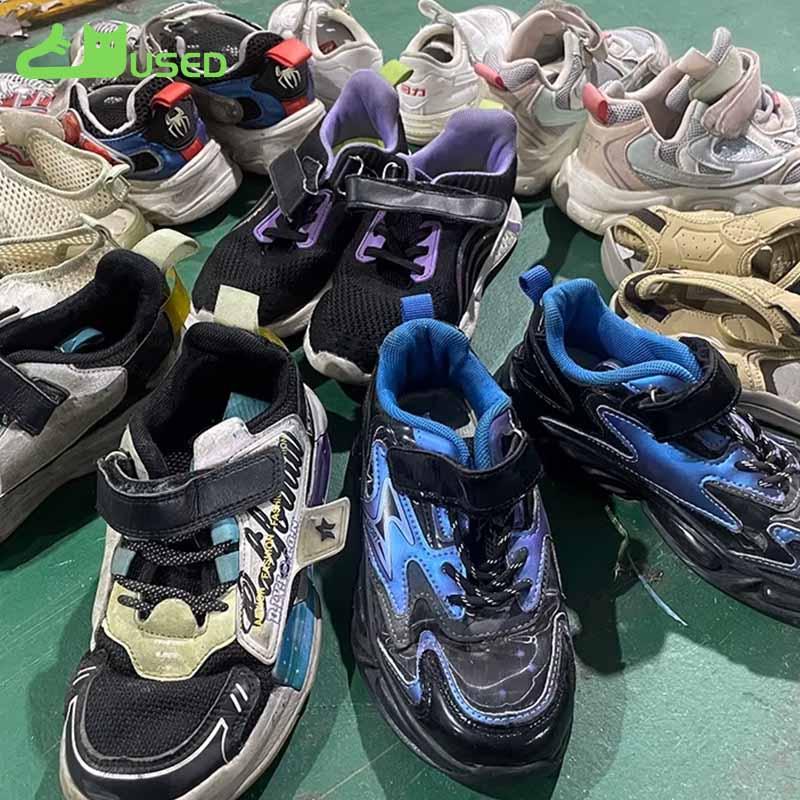
List cleaning, conditioning, color care, tip replacement or qualified repair by material scope, provider, cost, turnaround, before/after evidence and failure route. Do not improvise chemical combinations or conceal prior work.
Count a pair as prepared only after the completed result passes the geometry, component and presentation boundaries. Rework candidates stay outside released yield.
approved scope
qualified route
before and after
release, lower lane or reject
Define premium office, everyday professional, visible-wear value, repair candidate, claim hold and reject lanes for the actual business. State the appearance promise, fitting process, disclosure and return sensitivity.
Classic styling does not guarantee local demand. Track current size, color, heel height and style requests by outlet rather than assuming one officewear market.
strong evidence and low variance
clear physical and cosmetic boundary
visible wear disclosed
claim or work unresolved
Record paid pairs, mismatches, physical rejects, claim holds, restoration candidates, completed work, released lanes, packing and receiving variance. Add relevant freight, charges, handling and completed restoration using the buyer's accounting method.
Compare cost per released destination pair and expected selling cycle. A brand label or low unit price should not override a weak accepted yield.
paid pairs
reject and hold
released by office lane
accepted pair basis
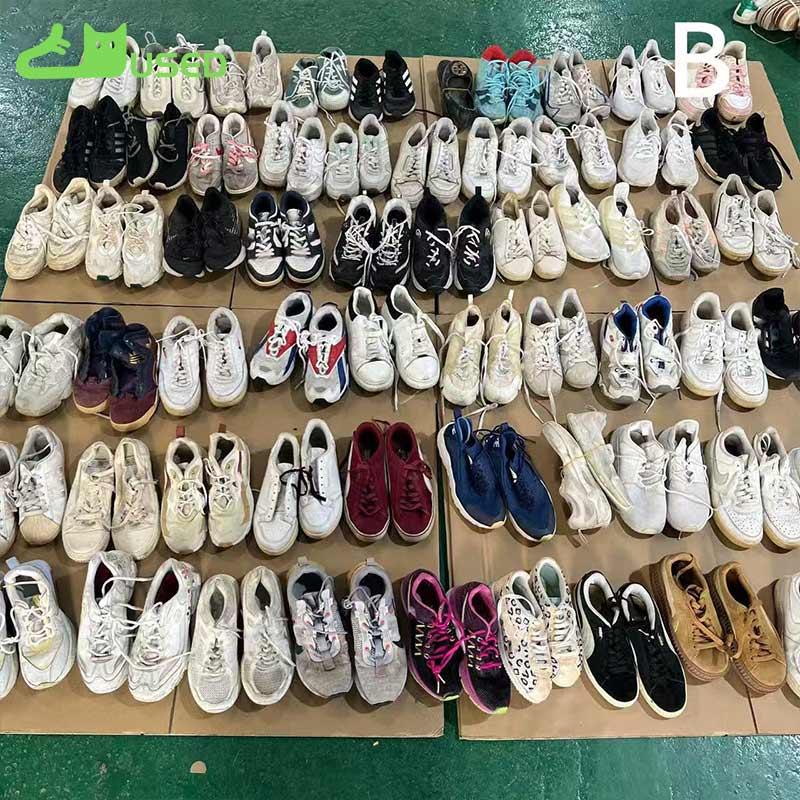
At arrival, verify bale identity, moisture signs, pair compatibility, shape, leather surfaces, hardware, heel, sole and sampled lane. Separate compression or transport damage from pre-shipment evidence where possible.
Close the ledger with completed restoration, fitting comments, reason-coded returns and each officewear lane's stock age. Revise one named form, marked-size cell, defect tolerance or service ceiling before committing to another order.
identity and moisture
same evidence map
fit and sale result
dated next-order change
No. Review geometry, flex damage, heel, sole and interior before presentation.
No. Keep seller claims and appropriate evidence or specialist review separate.
Only authorized completed work, relevant materials, handling and failed outcomes.
Use a clear condition promise, fitting process, price band and disclosure for each outlet.
Specific size, style, damage, work-yield and sales-cycle limits supported by records.
Leather officewear grading is a completed-pair work order, not a shine test. The used brand shoes wholesale category defines the supply family; geometry, material work and released-pair economics define the office lane.

Direct Factory Supplier of Used Shoes For African Markets In China
 Tel: +8618606960861
 Email: info@usedshoeswholesale.com
 MP/WhatsApp: +8618606960861
 Manufacturer Address:Cizao Town, Jinjiang City, Quanzhou City, Fujian Province