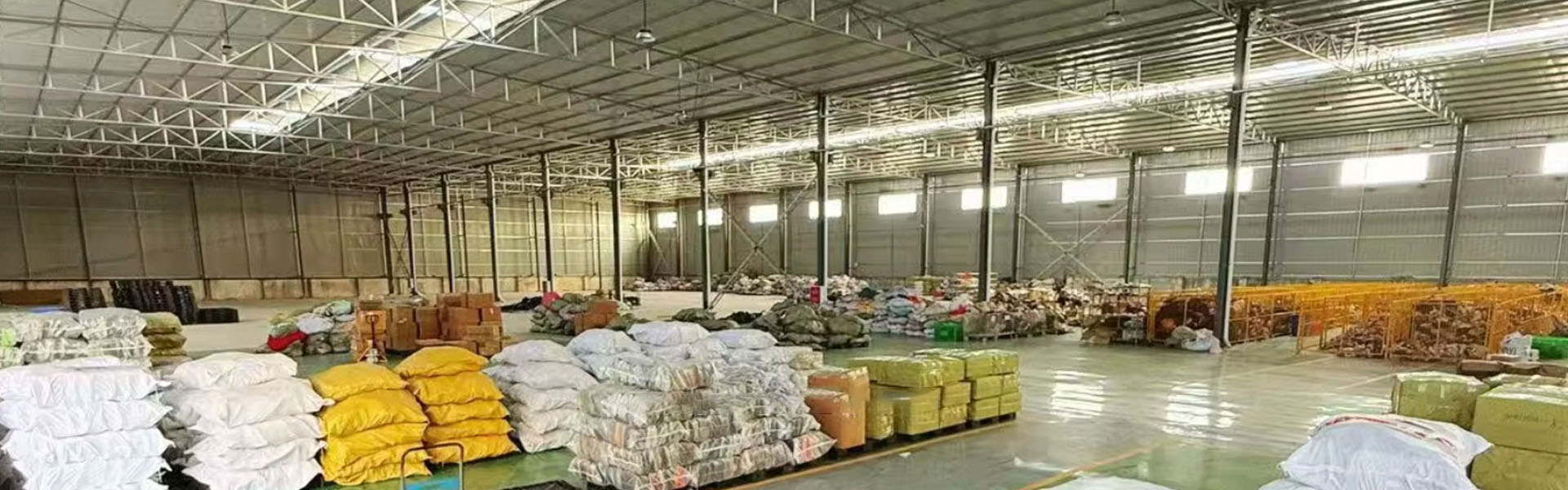
Author:Used Wholesale Manufacturer TIME:2026-08-13
Used Vivobarefoot sole-panel review
Used Vivobarefoot wholesale stock requires a thin-sole inspection that preserves uncertainty rather than treating extreme flexibility as automatic quality. The importer should pair controlled backlight views with an unforced flex-zone record, puncture and crack map, complete bond perimeter, toe-box shape, upper, insole and process evidence. These panels describe current physical condition; they do not prove foot health, natural movement benefits, fit, traction, safe wear or remaining life.
Assign a pair code and preserve seller wording, labels, marked size, model details as present, closure, insole status and item-linked records. Capture neutral upper, side, underside and interior views before flexing or cleaning.
A wide toe shape or thin sole does not verify identity or condition. Conflicting mates, unreadable marks and unsupported product statements remain in separate reconciliation or evidence holds.
complete pair
supported wording
model and size as present
conflict or unknown
Define the light source, distance, room condition, camera position and sole orientation. Photograph corresponding toe, forefoot, midfoot and heel areas on both shoes and record local bright points or transmission differences as observations.
A brighter area may justify closer inspection but does not quantify thickness unless a validated measurement method is used. Keep contamination, color and construction differences visible as possible alternative explanations.
consistent source
repeatable sole setup
matching areas on mates
no invented thickness value
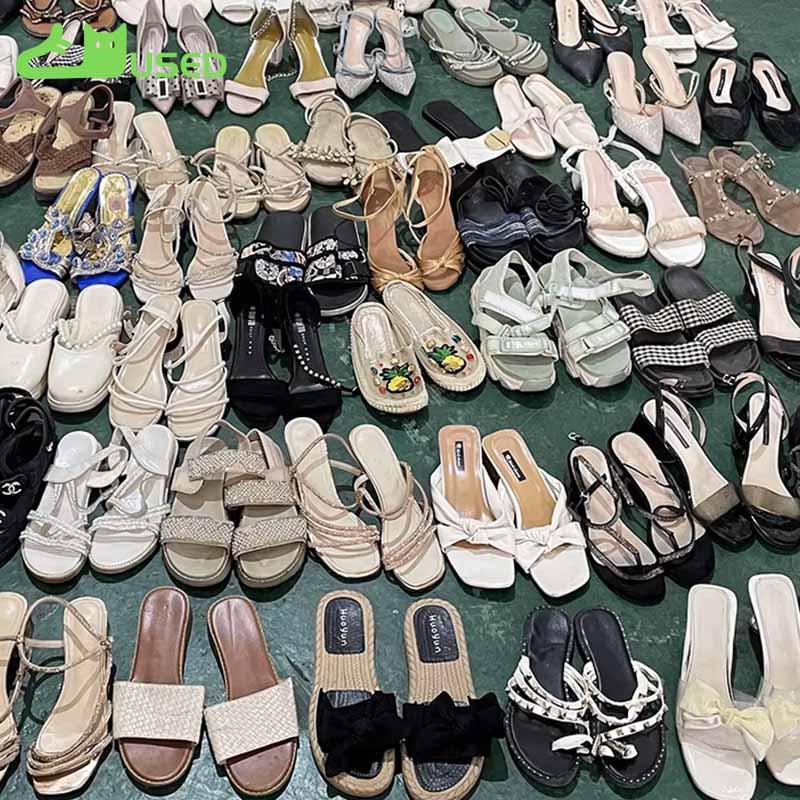
Identify toe, forefoot, midfoot and heel zones, then use an approved unforced handling method to observe bending, stiffness as felt, surface opening and mate difference. Photograph the starting and flexed state without exceeding the buyer's safe inspection boundary.
High flexibility is not proof of good condition, and stiffness is not automatically a defect. The panel records differences and stop signals; it cannot predict customer biomechanics or future service.
front movement
primary bend zone
movement and mate difference
crack opening or uncertainty
Inspect under normal and backlit conditions for holes, cuts, splits, abrasion, embedded material, crack direction and changes that open during the approved flex check. Mark exact location and compare the mate.
Do not cover a break with an insole or dark background before the record closes. Open punctures, expanding cracks and uncertain structural loss require review, repair assessment or decline.
through-opening evidence
edge and depth as seen
location and flex response
local surface loss
Each panel converts a visual or handling observation into a bounded physical decision.
| Panel | Controlled setup | Stop or hold signal | Permitted conclusion |
|---|---|---|---|
| Backlight | Same source, distance and sole zones | Local anomaly or unexplained mate difference | Inspect closer, no thickness claim |
| Flex | Defined zone and unforced method | Crack opens or response is uncertain | Record current movement only |
| Break map | Normal and backlit close-ups | Puncture, split or structural loss | Review, repair or decline |
| Bond perimeter | Toe, sides and heel edge | Lifting, movement or prior-work conflict | Physical hold |
| Interior/upper | Toe shape, closure, insole and process | Open tear, moisture or unsupported result | Disclose or prepare |
Specialty release requires all panels to close without converting them into medical or performance promises.
Photograph toe, medial, lateral and heel junctions. Record lifting, gaps, movement, residue, exposed layers and previous adhesive, then link any edge issue to the nearest flex or break zone.
A flexible sole does not excuse active separation. Images cannot certify bond strength, traction or remaining life; unresolved movement remains outside immediate release.
edge continuity
gaps and residue
movement and prior work
nearest flex or break zone
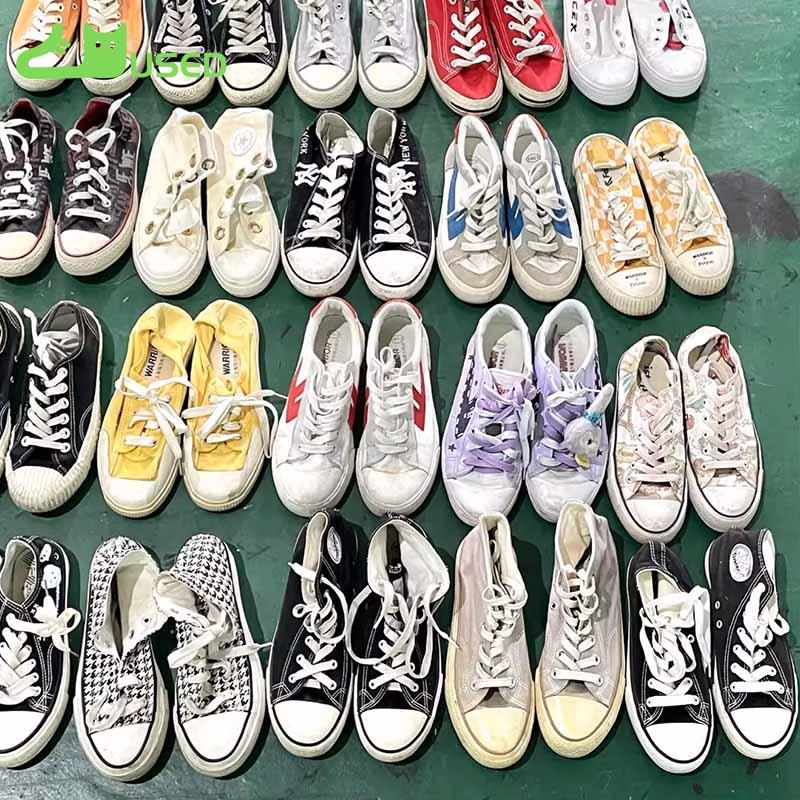
Record observable toe-box geometry, deformation, upper abrasion, tears, seam continuity, closure parts, opening shape and heel-counter condition. Compare mates under neutral positioning rather than forcing the expected silhouette.
A broad toe area cannot guarantee fit or health benefit. Describe the present shape and supported model information while leaving customer suitability to the destination seller and wearer.
observable geometry
surface and support
complete and operable
counter and opening
Record insole presence or replacement, lining wear, interior seams, visible soil, odor and moisture signs before preparation. Confirm material scope where suitable records exist and select a small approved process test.
Describe only the method and observed result supported by the record. Do not claim sterilization, complete odor removal, restored footbed properties or a health outcome.
present replaced or absent
wear and seams
soil odor or moisture
approved result language
A specialty route needs supported model wording, closed sole and bond status, clear backlight and flex records, marked size, condition disclosures and documented preparation. A casual value route may accept stable wear but not an open puncture or unsupported claim.
Record listing questions, sales, transfers, returns and days held by model-size-condition cohort. Use customer questions to improve evidence and disclosure, not to create universal benefit claims.
closed evidence and explanation
stable disclosed wear
repair or process open
break bond or claim unresolved
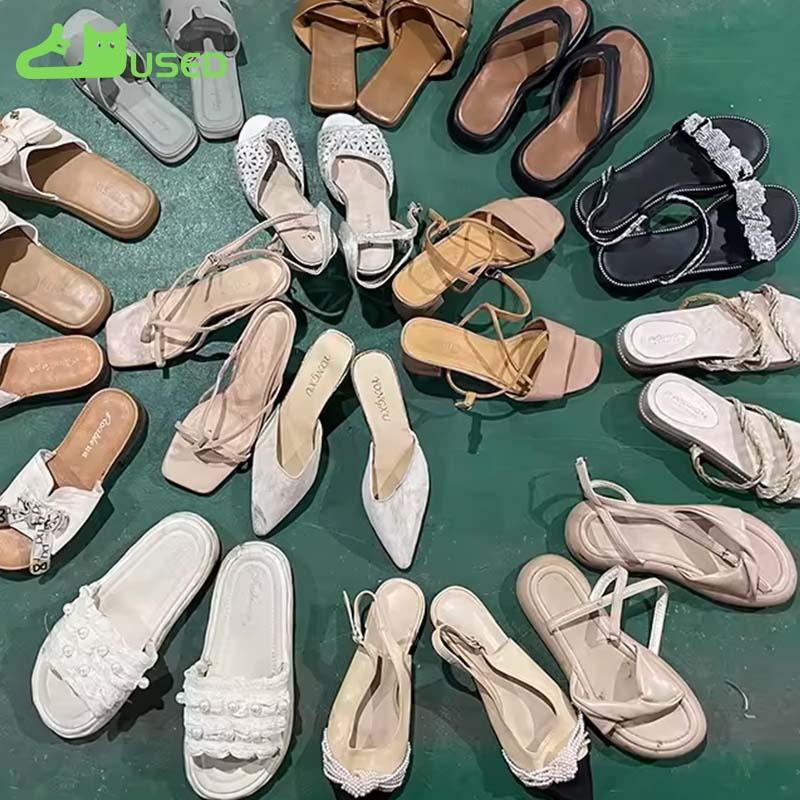
At receiving, compare pair codes, backlight setup, flex zones, break map, bond perimeter, toe-box shape, interior and package marks with the approved sample. Count new punctures, mismatches and unresolved pairs before mixing.
Change one measurable requirement: backlight angle, allowed transmission variance, puncture exclusion, flex stop, bond boundary, insole status, size ratio or packing protection. Require current-stock evidence under the revised panel.
sample versus arrival
released by route
inspection and hold time
one panel field
No. It is an observation that requires closer inspection, not a thickness or quality measurement.
No. Use a bounded flex check and map cracks, breaks and mate differences.
No. Preserve and close the sole record before interior presentation.
No. It describes current condition and leaves suitability to qualified parties and the wearer.
Use arrival conflicts, inspection time, released yield, returns and one revised panel field.
A minimalist sole needs controlled light, bounded flex and a complete bond record, not a health promise. The used sneakers wholesale category provides the wider sneaker context; supported model wording, break mapping, toe and interior evidence, specialty disclosures and arrival feedback govern this order. Use the page inquiry form to state the accepted sole condition, flex boundary, size range and required backlight sample.

Direct Factory Supplier of Used Shoes For African Markets In China
 Tel: +8618606960861
 Email: info@usedshoeswholesale.com
 MP/WhatsApp: +8618606960861
 Manufacturer Address:Cizao Town, Jinjiang City, Quanzhou City, Fujian Province